
Atlanta Excluded from 2028 DNC: Impact on Black Voters
Politics, Black Voters, Atlanta
Atlanta Left Off 2028 DNC Shortlist: What’s at Stake for Black Voters
The Democratic National Committee’s decision to leave Atlanta off the 2028 convention shortlist has sparked sharp criticism in Georgia and raised deeper questions about how the party values Black voters, particularly in the South.
From Frontrunner to Cut: How Atlanta Was Dropped
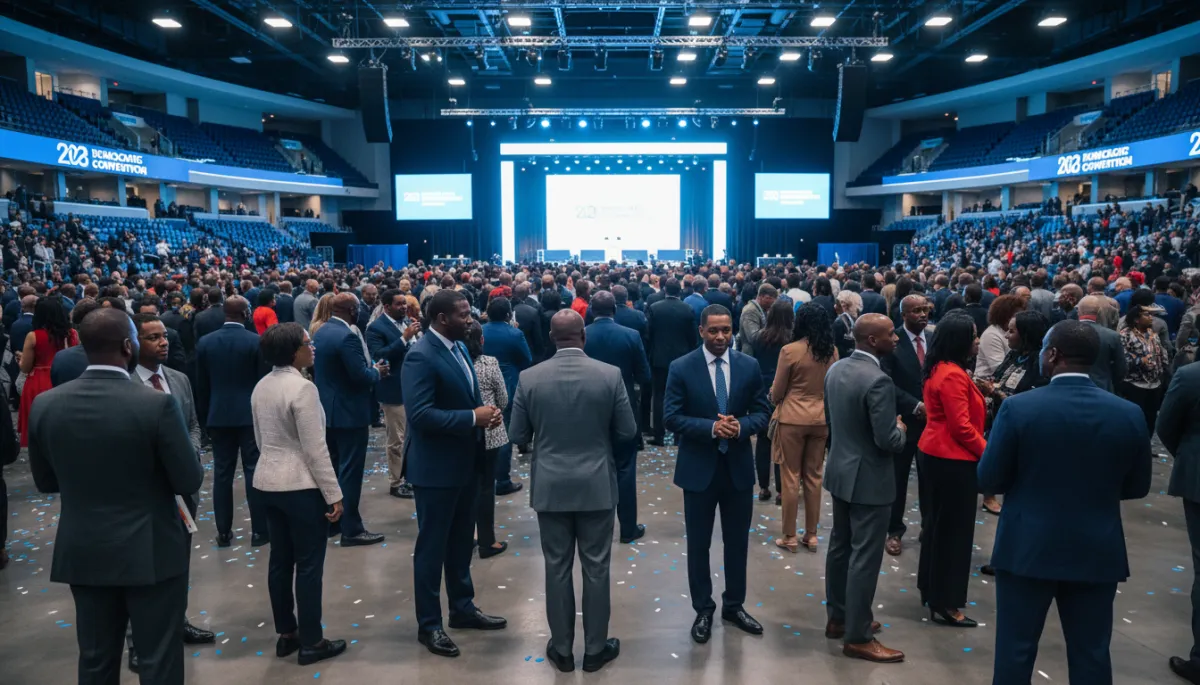
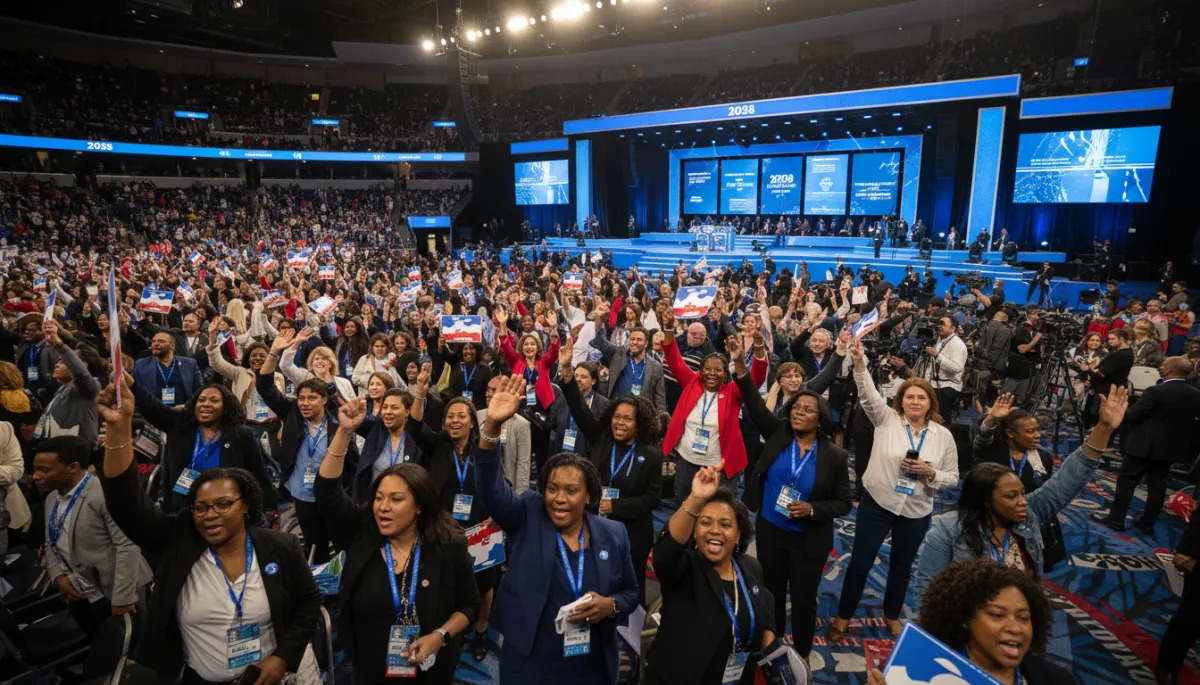
Earlier in 2026, Atlanta was one of five cities that advanced in the race to host the 2028 Democratic National Convention, alongside Boston, Chicago, Denver and Philadelphia, according to the Democratic National Committee’s own announcement (democrats.org). The city hosted site visits and made a forceful case rooted in its civil rights legacy, world‑class airport and overwhelmingly Democratic electorate powered by Black voters.
But on August 20, 2026, party officials narrowed the field to three finalists: Boston, Denver and Philadelphia—leaving both Atlanta and Chicago off the shortlist (AP News). The DNC praised the remaining cities’ “incredibly strong bids,” citing logistics, hotel capacity and political strategy, including Philadelphia’s position in battleground Pennsylvania and Denver’s convention experience in 2008 (LA Times, Axios).
A Stinging Message to a Black Political Powerhouse
Atlanta Mayor Andre Dickens did not mince words, accusing the DNC of sidelining Atlanta, the South and Black voters with its decision (Axios Atlanta). His frustration reflects a broader sentiment among many Black Atlantans: that the city has repeatedly delivered for Democrats, only to see major moments—and economic opportunities—go elsewhere.
Atlanta is more than a blue dot in a red‑leaning state. It is a majority‑Black metropolis whose voters helped flip Georgia for Joe Biden in 2020 and delivered two Democratic U.S. Senate seats. Black women in particular continue to anchor the state’s Democratic coalition, powering primary victories and boosting turnout to nearly match white participation in 2026 (Atlanta Journal‑Constitution). Leaving such a base off the convention map sends a symbolic message about whose political power is spotlighted on the national stage.
Economic and Visibility Loss for Black Atlanta
For Black Atlantans, the convention is not just about speeches and roll calls. Hosting would have meant tens of thousands of visitors, hotel bookings, catering contracts, transportation deals and media spending—opportunities that could have flowed to Black‑owned businesses across the metro area. Past conventions have generated hundreds of millions of dollars in local economic impact for host cities; Atlanta will now watch that investment land in Boston, Denver or Philadelphia instead.
There is also a lost opportunity for visibility. A convention in Atlanta would have placed Black neighborhoods, HBCUs, churches and local organizers at the center of national coverage. Issues such as voting rights, housing affordability, health disparities and criminal justice reform—already central to the Georgia Legislative Black Caucus agenda—could have been highlighted with Atlanta’s Black communities as the backdrop (gablackcaucus.org).
What It Means for Black Voters Going Into 2028
The decision arrives at a moment when Black voters—especially in Georgia—are asserting both their influence and their independence. Republican candidates are openly courting Black communities, while some Black voters describe themselves as “political free agents” rather than automatic Democratic votes (Axios). Against that backdrop, overlooking Atlanta for the convention risks reinforcing perceptions that the party takes Black support for granted.
At the same time, the stakes for Black voters remain extremely high. Georgia continues to be a battleground for voting rights, redistricting fights and election administration changes that could shape representation for a generation (AJC, AP News). Whether or not the convention comes to Atlanta, organizing around voter registration, turnout and protection will determine who sets policy on issues that directly affect Black communities—from healthcare and wages to policing and education.
A Test of the Party’s Relationship With Black Atlanta
For many Black Atlantans, the 2028 convention site is now more than a logistical choice; it has become a test of how seriously Democrats treat the South and the Black voters who have repeatedly rescued the party from defeat. The DNC may still make policy and platform decisions that speak directly to Black concerns, but its choice to look past Atlanta will linger as campaigns seek to motivate, respect and retain the voters who turned Georgia into a political proving ground.

Activate Your Merkaba: 20 Chapters of Knowledge