
Bishop Barber Urges Black Voters at Big Bethel AME
Politics, Voting Rights, Black Atlanta
Bishop William J. Barber II Calls Black Voters to “Wake Up” at Big Bethel AME
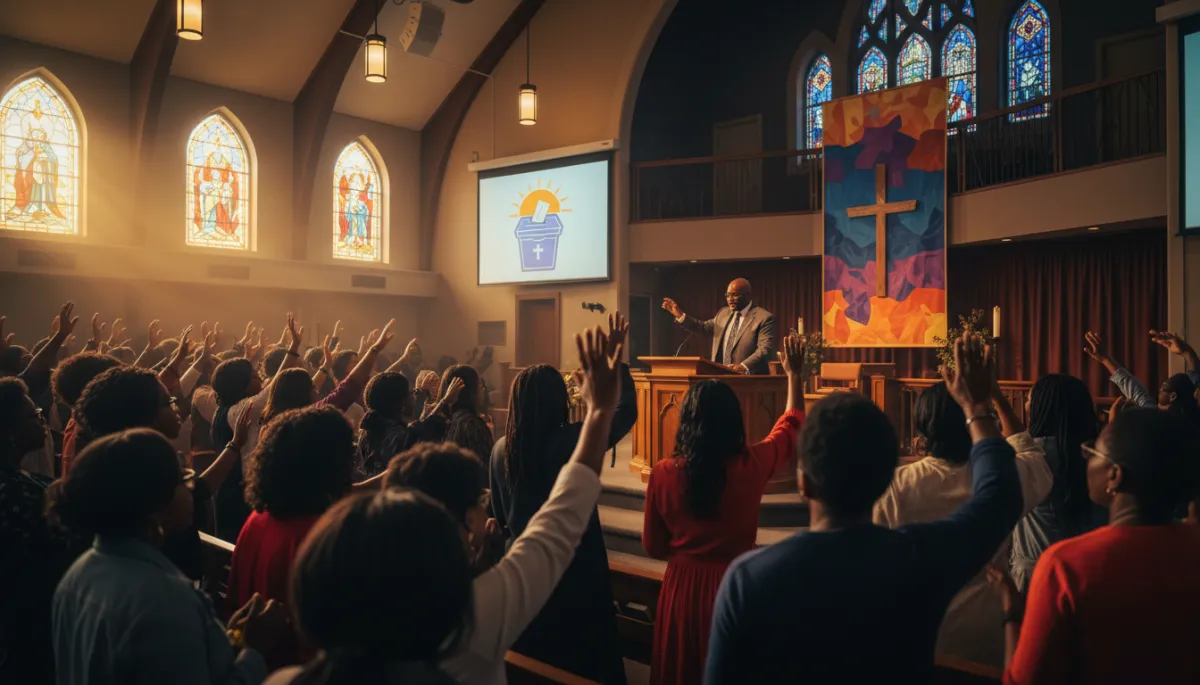
At Big Bethel AME Church in downtown Atlanta, Bishop William J. Barber II delivered a fiery “Wake Up” sermon titled “The Promise of the Vote”, urging Black Atlantans and Black voters nationwide to head to the polls ahead of the November election.
“The Vote Came from God”: A Sacred Call in the Heart of Atlanta
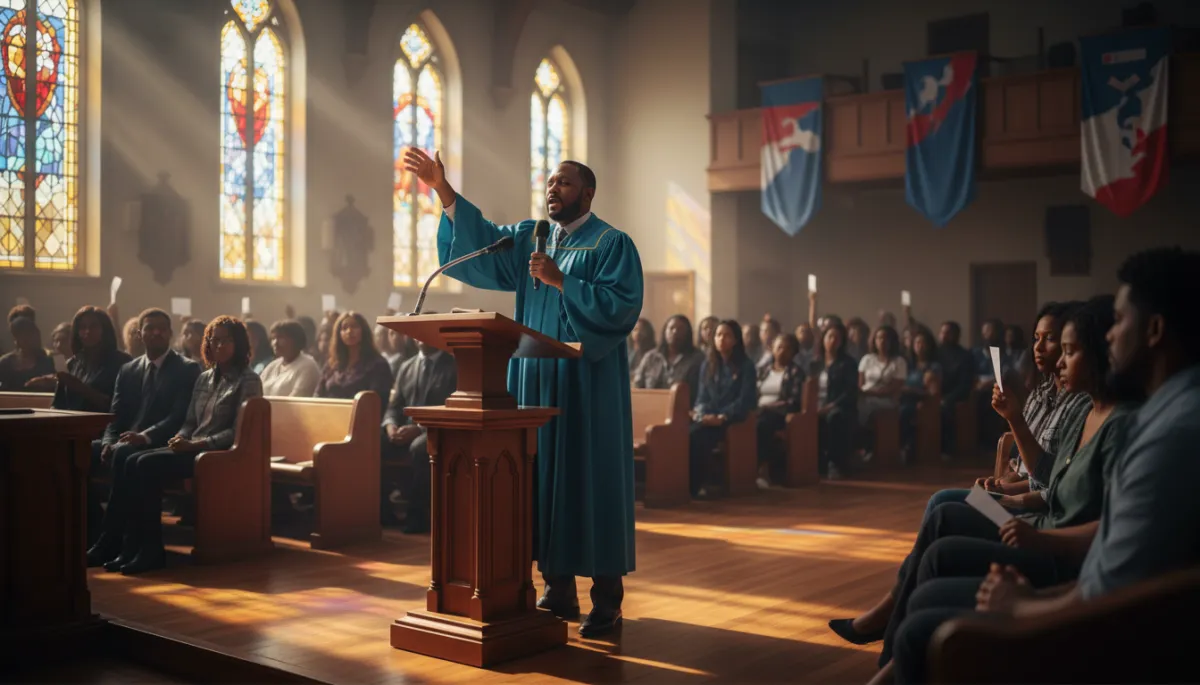
On Sunday, August 23, 2026, Barber, president of Repairers of the Breach and co-chair of the Poor People’s Campaign, stood in the historic sanctuary of Big Bethel AME on Auburn Avenue and declared that voting is a sacred right and moral duty. Connecting the struggle for the ballot to the legacy of Harriet Tubman, Brown v. Board of Education, and the long arc of Black freedom movements, he reminded the congregation that the right to vote was “paid for with blood, tears, and faith.”
“When somebody attempts to suppress your vote, they try to take away a person’s humanity,” Barber warned, echoing remarks he has made in recent months. “The right to vote is sacred … the vote came from God.” His message resonated deeply in a city where churches have long been command centers for civil rights organizing and political power.
From the Pews to the Polls: A Wake-Up Call Before November
The sermon, formally titled “The Promise of the Vote: An Evening Celebrating Courage, Community, and Democracy”, doubled as a strategy session for the months leading into November. Barber urged Black voters in Atlanta and across the South to move from righteous anger to organized action, insisting that now is the time to vote early, vote together, and vote in record numbers.
“We don’t need to march on Washington right now,” he said, emphasizing a shift from protest to participation. “All of our money, energy, and effort needs to be marching, walking, running, and riding to the polls.” That appeal comes as national data show Black voters poised to play a decisive role in the 2026 midterms, with turnout surging in response to new redistricting maps and ongoing fights over voting access (The Guardian; Washington Post).
“100 Days; 1,000 Marches to the Polls” Targets Low-Wage and Infrequent Voters
Barber’s “Wake Up” message at Big Bethel is a key stop in the “100 Days; 1,000 Marches to the Polls” campaign, a national voter mobilization effort led by Repairers of the Breach and the Moral Monday Public Pulpit. More than 40 organizations and 200 local groups have joined the coalition, which aims to reach 5 million low-wage and infrequent voters in the South and other battleground regions (CBS News Atlanta).
For Black Atlantans, the strategy is straightforward and urgent: turn church energy into ballot power. Organizers connected to the campaign are planning peer-to-peer texting, phone banking, and neighborhood canvassing anchored by congregations like Big Bethel AME. The goal is not just to vote, but to overcome structural barriers that have long depressed turnout and increased ballot rejection rates in majority-Black precincts, according to recent research by voting rights advocates.
Standing Against “Moral Deregulation” and Authoritarian Threats
Barber also placed the coming election in a broader moral and political context. Warning against what he called “moral deregulation”, he argued that authoritarian forces test “how much people will let go” when they attack voting rights, social programs, and democratic norms. For Black voters, he said, staying home is not a neutral act; it is a surrender of hard-won power.
Across the country, civil rights groups, legal advocates, and historically Black institutions are mounting their largest midterm engagement efforts in years—from the NAACP’s $20 million GOTV campaign to new legal partnerships designed to protect voters at the polls. Barber’s sermon at Big Bethel AME placed Atlanta at the center of that movement, calling Black Americans to honor “the promise of the vote” by showing up early, in numbers, and with clear purpose this November.

Activate Your Merkaba: 20 Chapters of Knowledge