
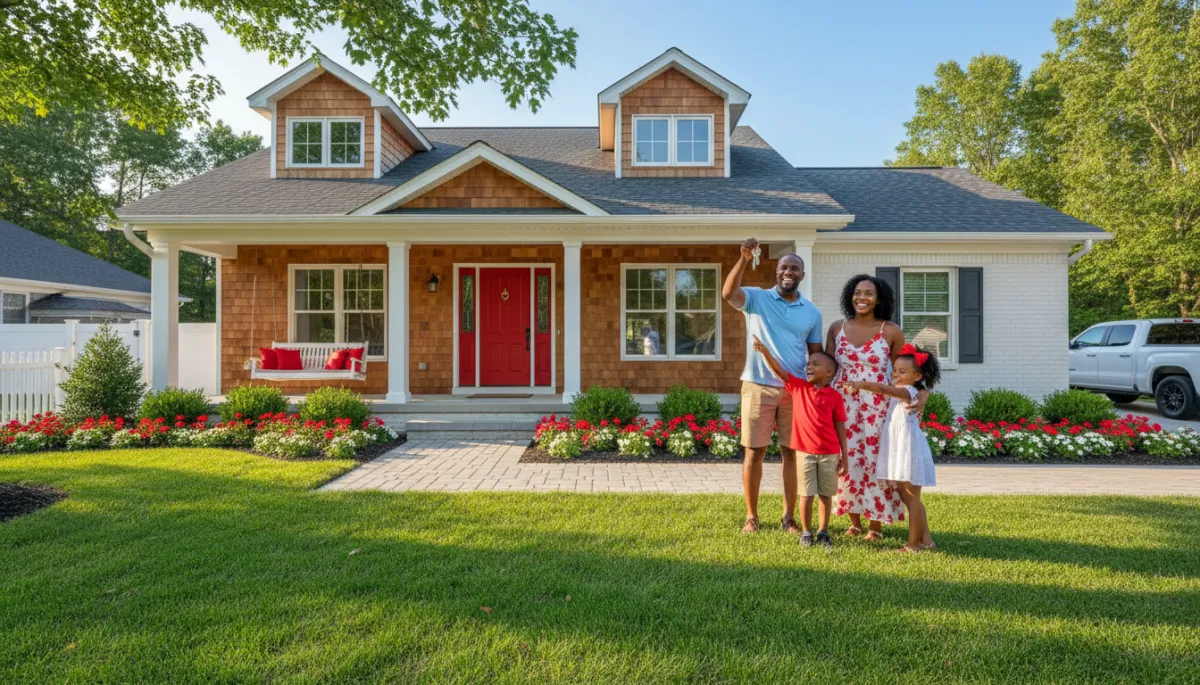
Black Homeownership Is Rising — But the Barriers Haven't Gone Anywhere
Progress and Persistent Gaps
Black homeownership has seen encouraging gains in recent years, but the numbers tell a more complicated story. After posting its largest year-over-year increase in 2023, the Black homeownership rate fell to 43.9% by mid-2025 — down from 45.3% a year earlier. By comparison, the rate for non-Hispanic white households stands at 74%.
Perhaps most striking: the homeownership gap between Black and white households is wider today than it was in 1960. Decades after the Fair Housing Act, the dream of owning a home remains far more difficult to achieve for Black families.
The Barriers That Remain
Homeownership is one of the most powerful tools for building generational wealth, yet Black families continue to face systemic obstacles: discriminatory lending practices, higher mortgage denial rates, lower appraisal values in Black neighborhoods, and a persistent wealth gap that makes down payments harder to save.
These barriers are not abstract. They shape where families can live, what schools children attend, and how much wealth can be passed down to the next generation.
Building Toward a More Equitable Future
Closing the gap will require action on multiple fronts: fair lending enforcement, down payment assistance programs, community land trusts, and policies that address the appraisal bias that devalues homes in Black neighborhoods.
For Black Atlanteans, homeownership remains a cornerstone of the American Dream — and a goal worth fighting for. By staying informed, seeking out fair lending resources, and supporting policies that expand access, the community can continue building toward a future where the dream is within reach for everyone.

Activate Your Merkaba: 20 Chapters of Knowledge