Iran Conflict Update: Peace Talks, Oil Shocks & What's at Stake for the World
Iran Conflict Update: Peace Talks, Oil Shocks & What's at Stake for the World
March 30, 2026 — As the US-Israel-Iran conflict enters its second month, the world watches anxiously as diplomatic overtures clash with escalating military action, energy markets tremble, and nations across the Middle East brace for an expanding war.
Iran Agrees to "Most" US Demands — But Tensions Remain
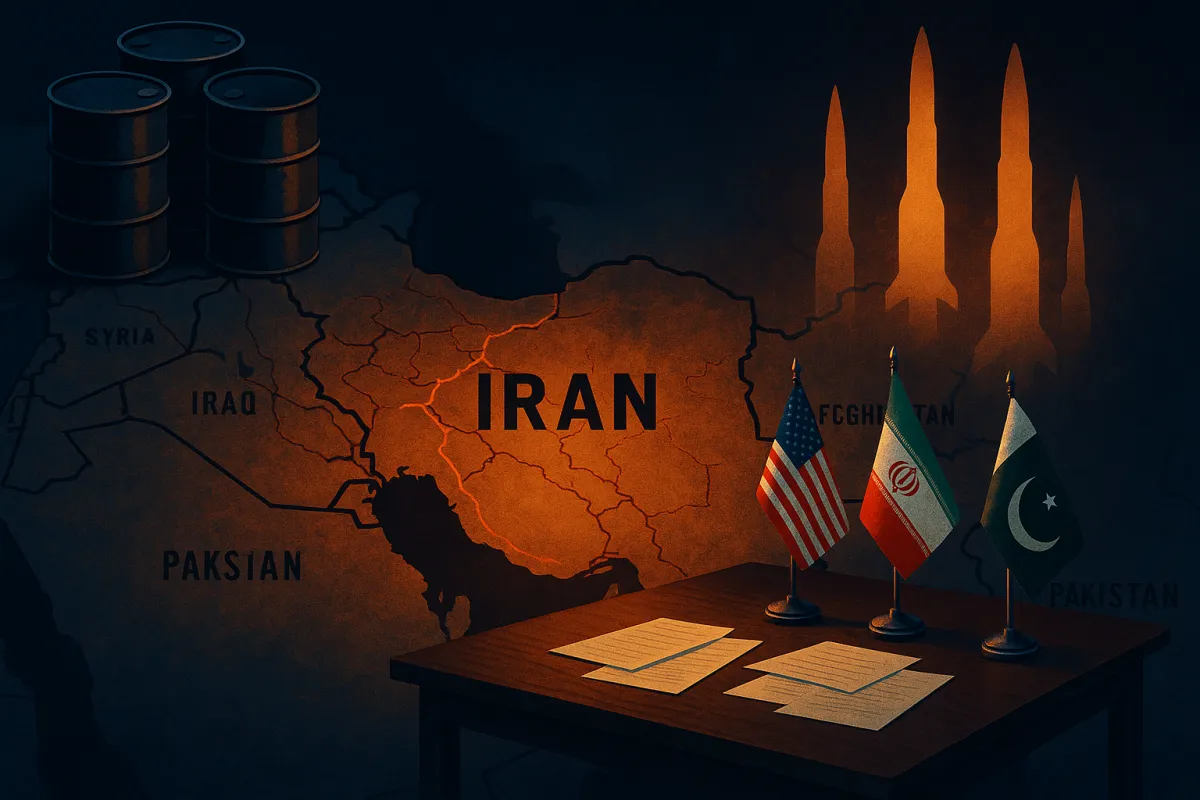
In a significant development, President Donald Trump announced that Iran has agreed to "most of" a 15-point list of demands conveyed via Pakistan, aimed at ending the conflict. Trump told reporters the US asked for 15 things and received agreement on the majority, though further negotiations remain ongoing. Iran's Foreign Minister Abbas Araghchi has acknowledged that messages have been exchanged through intermediaries but signaled skepticism toward Washington's position.
Pakistan Emerges as Key Peace Broker
Pakistan has stepped forward as a critical mediator between the United States and Iran. Foreign Minister Ishaq Dar confirmed that Pakistan will "be honoured to host and facilitate meaningful talks between the two sides in the coming days, for a comprehensive and lasting settlement of the ongoing conflict." Ministers from Pakistan, Saudi Arabia, Turkey, and Egypt convened in Islamabad to develop a de-escalation plan — a rare moment of multilateral diplomacy in a rapidly deteriorating crisis.
In a gesture of goodwill, Iran has agreed to allow 20 Pakistan-flagged ships to pass through the Strait of Hormuz — two per day — marking a small but symbolically significant step toward easing the blockade.
The Strait of Hormuz: The World's Energy Lifeline Under Threat
Iran's selective blockade of the Strait of Hormuz has sent shockwaves through global energy markets. The world is losing as much as 20 million barrels of oil per day from Middle Eastern producers. Since the war began five weeks ago, Brent crude has surged more than 50%, and the International Energy Agency has described the closure as "the biggest oil shock in history." Nations as far away as Australia are now offering free public transit to offset skyrocketing fuel costs.
Iran Warns Against US Ground Invasion
Iran's parliament speaker Mohammad-Bagher Ghalibaf has accused the US of planning a ground invasion as part of the next stage of the conflict, warning such an intervention would be "met with force." Meanwhile, Iran threatened to target American and Israeli universities in the Middle East as part of its war effort, demanding a US condemnation of strikes on Iranian universities by March 30.
President Trump, for his part, said he is still weighing whether to seize Iran's Kharg Island — which handles 90% of Tehran's oil exports — acknowledging that any such move "would mean we had to be there for a while."
The Human Toll
The human cost of the conflict is devastating. At least 1,900 people have been killed in attacks on Iran since February 28, according to the Iranian Red Crescent — including more than 200 children. In Lebanon, at least 1,189 people have been killed in Israeli strikes since March 2. The Pentagon has put US casualties at 13 killed and over 300 injured. Across Iraq, at least 99 people have died since the war began.
A Widening War
The conflict is spreading. Yemen's Houthi rebels launched their first missile strikes on Israel since the start of the war, while Syria reported intercepting a drone strike from Iraq targeting a US military base. Air raid sirens have activated across Bahrain and Kuwait, signaling that the war's reach is growing far beyond its original theatre. Israel has also intensified operations in Lebanon, with ground troops advancing northward.
What Comes Next?
The coming days will be critical. Peace talks facilitated by Pakistan represent a narrow window for diplomacy before the conflict deepens further. The world is watching whether Washington and Tehran — two nations locked in an increasingly destructive war — can find enough common ground to step back from the brink.
Stay with Black Atlanteans News for continued coverage of this developing story.
Digital Books To Awaken Your Merkaba
Knowledge Is No Longer Hidden