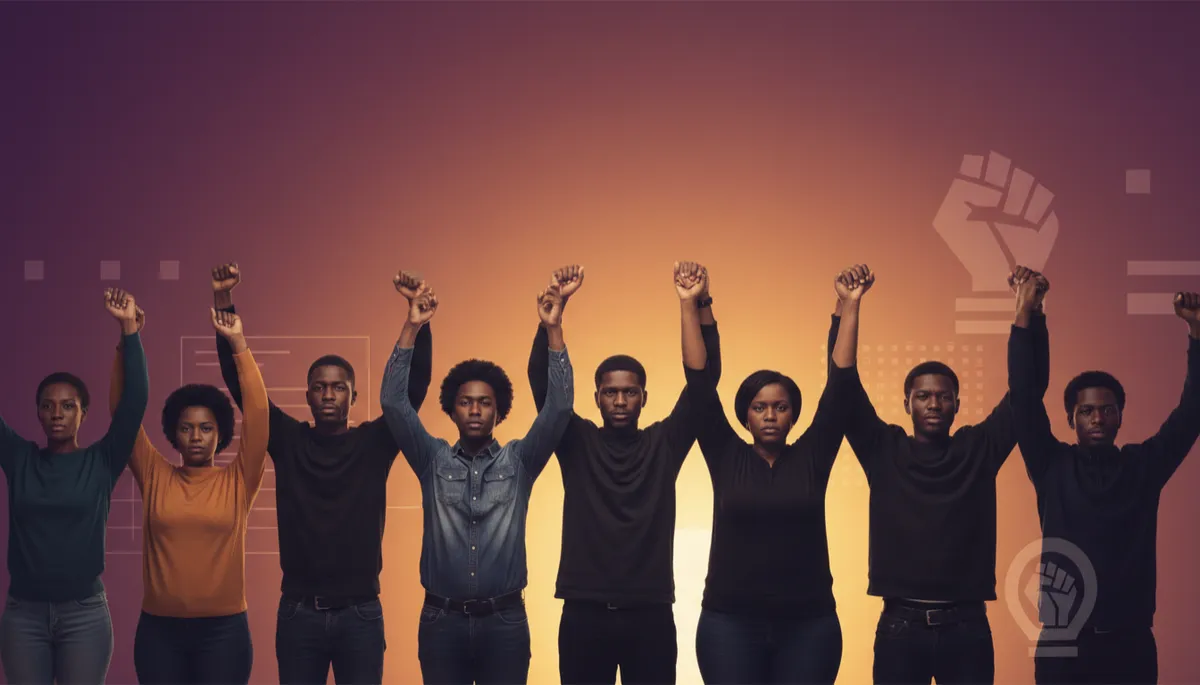
Afroman Trial: Stand Up for Black Rights
Black Rights, Afroman Trial, Empowerment, Racial Equality
The Afroman Trial and Why Black Men and Women Must Stand Up for Our Rights
The recent Afroman trial was more than a courtroom drama; it was a clear reminder that the fight for Black Rights and true Racial Equality is still unfolding in real time. As individuals, especially as Black men and women, we cannot afford to stay silent or sit on the sidelines. This moment calls us to stand up, speak out, and protect our dignity, our voices, and our freedom.
What the Afroman Trial Was Really About
In August 2022, rapper Joseph Foreman, better known as Afroman, had his Ohio home raided by Adams County sheriff’s deputies. No charges were ever filed, yet his property was damaged and money went missing during the raid (Cleveland19). Instead of suffering in silence, he did what Black artists have done for generations: he turned pain into art. Using his own security footage, he created songs and music videos like “Lemon Pound Cake” and “Will You Help Me Repair My Door?” that called out the officers’ actions and mocked the raid itself.
The deputies responded by suing him, claiming defamation, invasion of privacy, and “false light.” They said his videos caused them humiliation and distress and tried to force him to hand over profits from his work (AllAboutLawyer). Many legal experts and the ACLU saw this as a classic SLAPP attempt—a Strategic Lawsuit Against Public Participation—meant to scare him and other critics into silence, not to deliver justice (ACLU Ohio).
Afroman’s Victory: A Win for Free Speech and Black Rights
In March 2026, after a three‑day trial, a jury delivered a full verdict in favor of Afroman. On March 18, they rejected every claim brought by the seven deputies, clearing him of defamation, invasion of privacy, and all other allegations (AP News). His First Amendment defense—his right to criticize public officials and transform his own trauma into art—prevailed. The jury’s decision confirmed that law enforcement officers acting in their official capacity are not above public scrutiny, satire, or accountability.
For Black communities, this matters deeply. Too often, when we speak out about police misconduct or racial profiling, we are told to “be quiet,” “move on,” or “let the system handle it.” The Afroman Trial shows that standing firm, even when the system seems stacked against you, can lead to real victories. It is a powerful example of Empowerment through courage, creativity, and persistence.
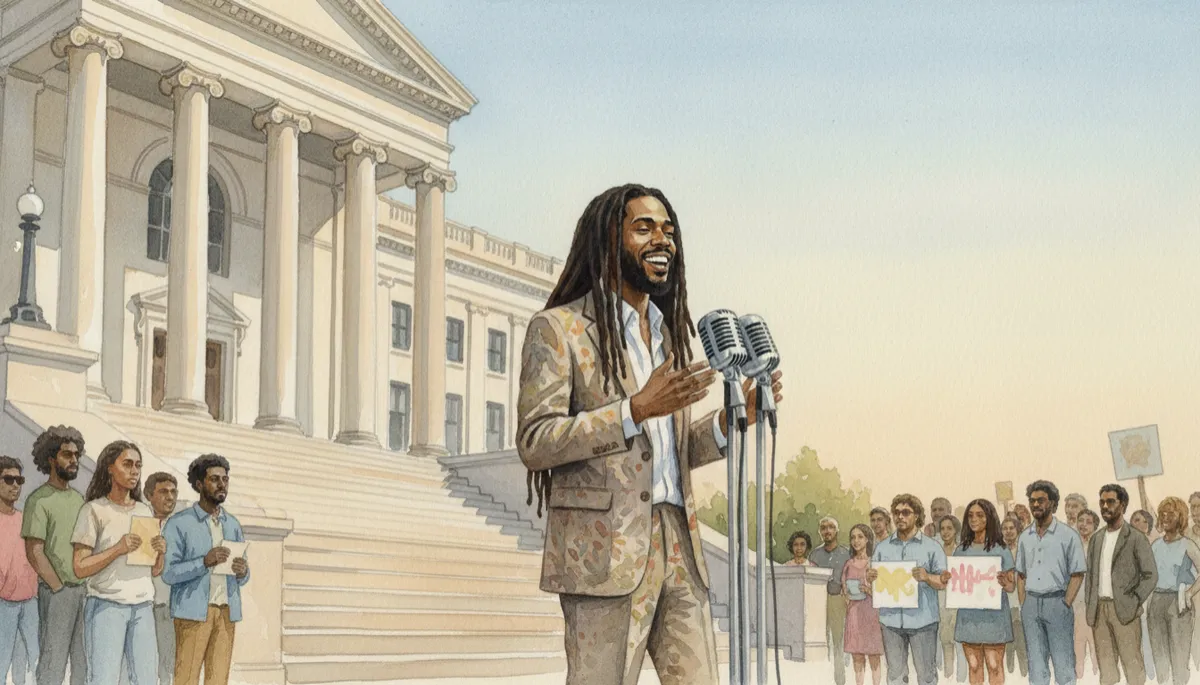
Public victories like Afroman’s remind us that speaking out can shift the balance of power.
Why Black Men and Women Must Stand Up for Our Rights
The Afroman case is not an isolated story. It sits alongside the marches commemorating Selma’s “Bloody Sunday,” the “No Kings” protests against state violence, and the ongoing policy fights over policing, education, and immigration that disproportionately impact Black lives. From memorials for Rev. Jesse Jackson Sr. to civil rights agendas in New York and beyond, the message is the same: Racial Equality is not guaranteed; it is demanded, defended, and maintained through constant action.
As Black men and women, standing up for our rights means refusing to let anyone rewrite our stories or punish us for telling the truth. When police raid a home and find nothing, when money goes missing, when no apology is offered, our silence only protects the powerful. Using cameras, art, social media, organizing, and the courts, we can push back. Afroman’s choice to share his footage and his perspective was an act of resistance—and the jury’s verdict affirmed that resistance is lawful and necessary.
💡 Pro Tip: Document everything. Whether it’s a traffic stop, workplace discrimination, or a school incident, evidence turns personal pain into a case that can be fought—and won.
Empowerment Starts With Individual Choices
Empowerment is not abstract; it shows up in daily decisions. You may never stand on courthouse steps like Afroman, but you still hold power. You choose whether to speak up when a coworker makes a racist comment, whether to support local Black‑led organizations, whether to vote for policies and leaders who take Black Rights seriously, and whether to mentor younger Black boys and girls who are watching how you move through the world.
The Afroman Trial underscores that your voice matters even when systems try to make you feel small. He was described in one interview as a “powerless Black man in America,” yet he used art and the law to challenge that label and win. When you stand up for yourself and your community—whether through protest, creativity, or legal action—you are participating in that same tradition of Black Empowerment and resistance.
Moving From Symbolic Wins to Everyday Racial Equality
Afroman’s court victory is a symbolic win, but symbols matter because they shape what we believe is possible. When a jury in Ohio sides with a Black man against law enforcement officers, it sends a message to judges, cops, artists, and everyday people across the country: Black speech is protected speech. Our pain, our humor, and our criticism belong in the public square.
Yet we cannot stop at symbols. True Racial Equality means safer homes, accountable policing, fair schools, equal access to healthcare and jobs, and respect in every institution we touch. That requires ongoing pressure, organizing, voting, and storytelling. It requires more people willing to do what Afroman did: take a risk, tell the truth, and refuse to let fear win.
Your Role in the Story After the Afroman Trial
The Afroman Trial will be remembered as a landmark moment for free speech and Black Rights, but its real power lies in what we do next. As individuals and as a community, we honor this victory by continuing to stand up—by filming encounters, filing complaints, supporting civil rights groups, creating unapologetic art, and insisting that Black men and women be seen, heard, and respected.
No court case alone can deliver full Racial Equality. But each time a Black person refuses to be silenced and wins, the ground shifts a little more in our favor. The Afroman verdict is an invitation: to stand taller, speak louder, and claim the rights that generations before us marched, bled, and died to secure. The question now is not whether we have the right—it’s whether we will use it.




