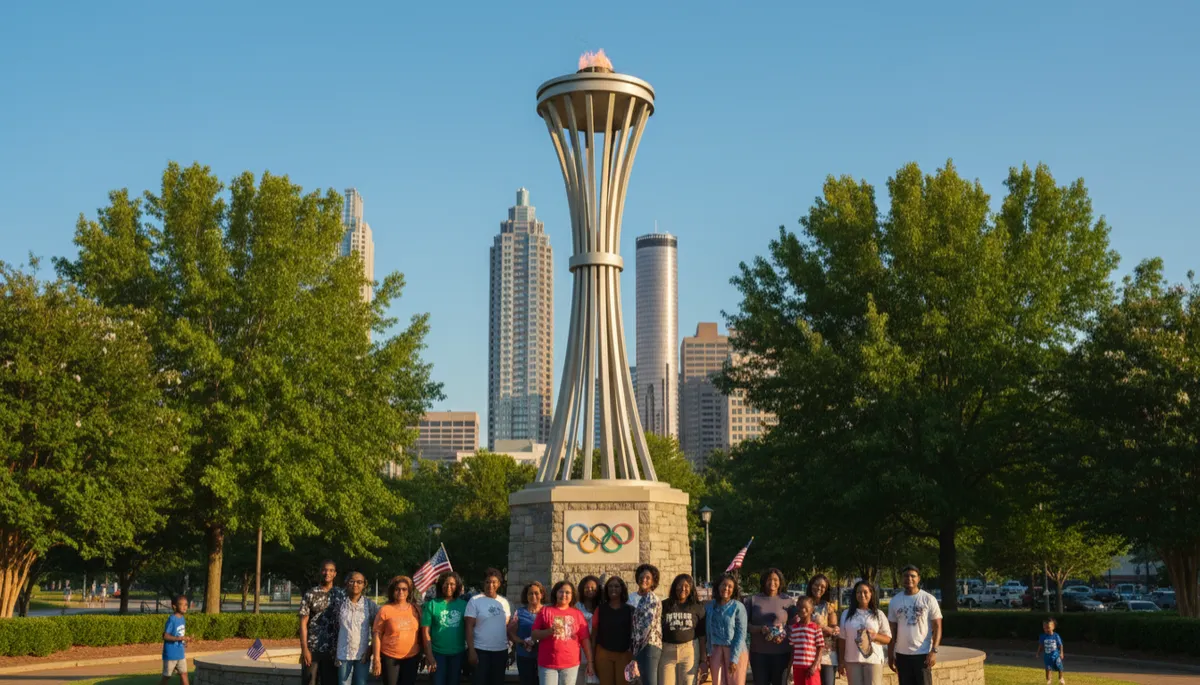
Atlanta Mayor Pushes Back on Olympic Cauldron Relocation, Citing Summerhill's Historic Sacrifice
ATLANTA, GA — August 28, 2026 — A cultural and historical battle has erupted in Atlanta over the fate of the iconic 1996 Summer Olympics cauldron — and at the center of the fight is the Black community of Summerhill, whose residents say the movement to relocate the landmark is yet another attempt to erase the history and sacrifice of one of Atlanta's oldest Black neighborhoods.
Mayor Andre Dickens has weighed in with a firm letter opposing the proposed relocation, stating that moving the cauldron overlooks the history and sacrifices of the Summerhill community and its neighboring areas. The mayor's stance has galvanized residents who say they were already fighting against displacement and gentrification — and now must protect the very symbols of their community's identity.
The Cauldron's Complicated Legacy
When Atlanta hosted the 1996 Centennial Olympic Games, the city promised its Black communities — particularly those in the Summerhill, Mechanicsville, and Peoplestown neighborhoods south of downtown — that the Olympic investment would benefit them too. The reality was far more complicated.
Thousands of residents, predominantly Black, were displaced to make way for Olympic infrastructure. Summerhill, once a thriving Black neighborhood adjacent to what was then Atlanta-Fulton County Stadium, bore the brunt of that upheaval. Decades later, many of those promised investments have yet to fully materialize, and gentrification has continued to reshape the area — pushing out longtime residents and businesses in favor of development aimed at higher-income newcomers.
The Olympic cauldron, which still stands in the neighborhood, has become more than a sports relic. For many residents, it represents a debt that Atlanta still owes to the Black communities that sacrificed the most to make the Games possible.
Residents Rally, Mayor Responds
"This is something worth rallying for," residents declared at a recent community gathering organized to oppose the cauldron's relocation. The meeting drew longtime Summerhill residents, community advocates, and housing justice organizers who argued that relocating the cauldron would erase the last visible acknowledgment of their community's pivotal role in Atlanta's Olympic history.
The outcome follows months of sustained organizing by residents who said any development in the area could worsen the already serious environmental, infrastructure, and displacement pressures they face. Their advocacy caught the attention of city leadership, resulting in Mayor Dickens' intervention.
"In a letter, the mayor says moving the cauldron overlooks the history and sacrifices of Summerhill and neighboring communities," Capital B Atlanta reported this week. It is a rare instance of a sitting Atlanta mayor directly confronting the city's own complicated Olympic legacy in relation to Black residents.
Gentrification and the Fight for Summerhill's Soul
The cauldron fight is happening against the backdrop of a broader gentrification crisis that is reshaping Black Atlanta neighborhood by neighborhood. According to the National Community Reinvestment Coalition, metro Atlanta ranks fourth among areas where gentrification eliminated majority-Black census tracts from 1980 to 2020.
In the BeltLine corridor — which runs adjacent to or near several historically Black neighborhoods — property values and rents have surged dramatically. Summerhill itself has seen significant pressure, with new development bringing upscale retail and higher-income residents while longtime residents face rising property taxes and rents they can no longer afford.
For Black Atlanteans, the cauldron is not simply a trophy. It is a marker — a reminder that the city's most celebrated international moment was built on the backs of a Black community that has yet to fully share in the prosperity it helped create.
What Comes Next
Community advocates are calling on the city to go further than simply keeping the cauldron in place. They want a comprehensive reinvestment plan that addresses affordable housing, infrastructure improvements, and economic development directly benefiting longtime Summerhill residents — not just new development that benefits those with means to move in.
Mayor Dickens has separately announced plans to seek $50 million in matching pledges for neighborhood investments across Atlanta — a move that advocates hope will prioritize the very communities that have been waiting the longest for the city's promises to be fulfilled.
For Black Atlanteans watching this story unfold, the message is clear: the fight to preserve Summerhill's identity, history, and future is a fight for the soul of Black Atlanta itself.




