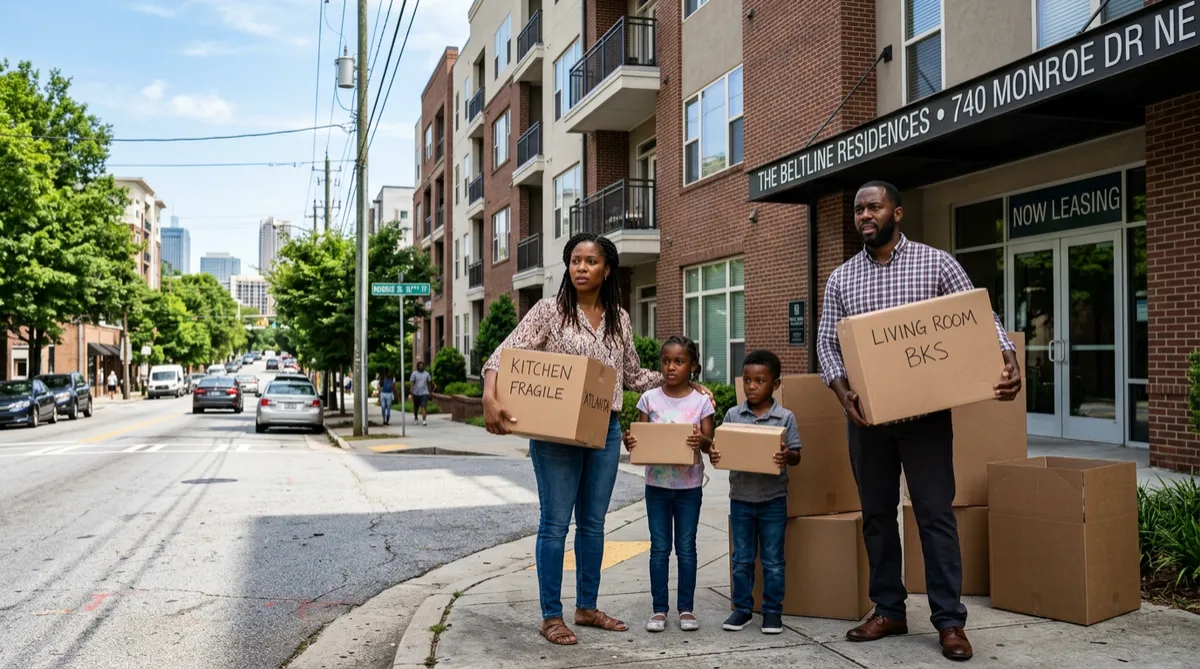
Atlanta's Eviction Crisis: Black Renters Make Up 70% of Cases
Atlanta is a city of ambition. For generations, Black families have come here seeking opportunity — drawn by its HBCUs, its Black business community, its political leadership, and its reputation as a place where Black excellence is not the exception but the rule. But a new and alarming housing crisis threatens to undermine that promise at its foundation, and it is falling disproportionately on Black Atlanteans.
According to data that has city officials sounding the alarm, Black renters now make up approximately 70% of eviction cases in the Atlanta metro area — despite accounting for only 52% of the region's population. That gap is not a statistical anomaly. It is the visible symptom of decades of systemic neglect, discriminatory lending, wage stagnation, and a housing market that has transformed Atlanta into one of the most expensive rental markets in the South.
What Is Driving the Crisis?
The eviction wave hitting Black Atlanta is the result of multiple intersecting forces, each compounding the others. At its core is the simple arithmetic of affordability: rents in Atlanta have surged dramatically over the past five years, while wages — particularly in the service, hospitality, and retail sectors where Black workers are disproportionately employed — have not kept pace.
The expiration of pandemic-era eviction protections removed a critical safety net that had been keeping many families stably housed. When those protections lifted, landlords moved quickly, filing eviction notices at record rates. Black renters, who were more likely to be in arrears due to job instability and lower household savings, were the first and hardest hit.
Additionally, the lifting of Temporary Protected Status in June 2026 displaced thousands of Metro Atlanta residents who had built lives here — losing jobs, housing, and the futures they had carefully constructed. Though TPS affects immigrant communities most directly, the ripple effects in Atlanta's rental market have added pressure to neighborhoods and housing units already stretched thin.
The Human Cost
Behind every eviction filing is a family. A mother stretching a paycheck to cover rent, groceries, childcare, and transportation. A senior citizen on a fixed income watching her rent increase for the third year in a row. A young couple who moved to Atlanta full of hope, now facing the choice between food and housing.
An eviction record is not just a temporary setback — it is a permanent mark on a renter's history that makes securing future housing dramatically harder. It damages credit scores, disqualifies families from subsidized housing programs, and can push people into homelessness or dangerous, overcrowded living situations. The downstream effects on children's education, mental health, and long-term outcomes are severe.
Residents and city officials are asking critical questions about whether Atlanta's housing strategy is truly reaching the communities most affected. Current affordable housing development pipelines often prioritize tax credit developments that cater to specific income thresholds — frequently missing the working poor who fall just outside eligibility windows, or who face application barriers including credit checks and background screenings that systematically exclude Black renters with prior eviction records.
What Is Being Done — And What Needs to Happen
Several Atlanta organizations are working on the front lines of this crisis. The Atlanta Volunteer Lawyers Foundation operates an eviction prevention clinic that connects tenants facing eviction with free legal representation — a service proven to dramatically improve outcomes for renters who use it. Community organizations like the Atlanta Neighborhood Development Partnership and ANDP are advocating for stronger tenant protections and more equitable affordable housing development.
Advocates are calling for the city of Atlanta to implement or expand just-cause eviction protections, increase emergency rental assistance funding, and create pathways for tenants with prior eviction records to access housing without automatic disqualification. They also call for reform of property tax structures that are driving up costs for longtime Black homeowners in gentrifying neighborhoods, forcing long-term community members out of the places they built.
What You Can Do Right Now
If you or someone you know is facing eviction in Atlanta, do not wait. Contact the Atlanta Volunteer Lawyers Foundation for free legal aid. The Georgia Legal Aid website provides information on tenant rights including your right to a court hearing before any eviction can proceed. Community organizations like the Metro Atlanta Task Force for the Homeless and Atlanta Habitat for Humanity offer emergency resources and housing support.
Beyond individual action, this crisis demands collective response. Attend city council meetings. Support organizations working on housing equity. Contact your district representative and demand stronger tenant protections. Share this story with your network. The 70% figure is not just a statistic — it is a call to action. Atlanta's promise of Black opportunity cannot be sustained if Black families cannot afford to stay.




