Bishop Barber Urges Black Atlanta to Vote
Politics, Voting Rights, Black Atlanta
Bishop William J. Barber II Calls Black Atlanta to “Wake Up” to the Power of the Vote
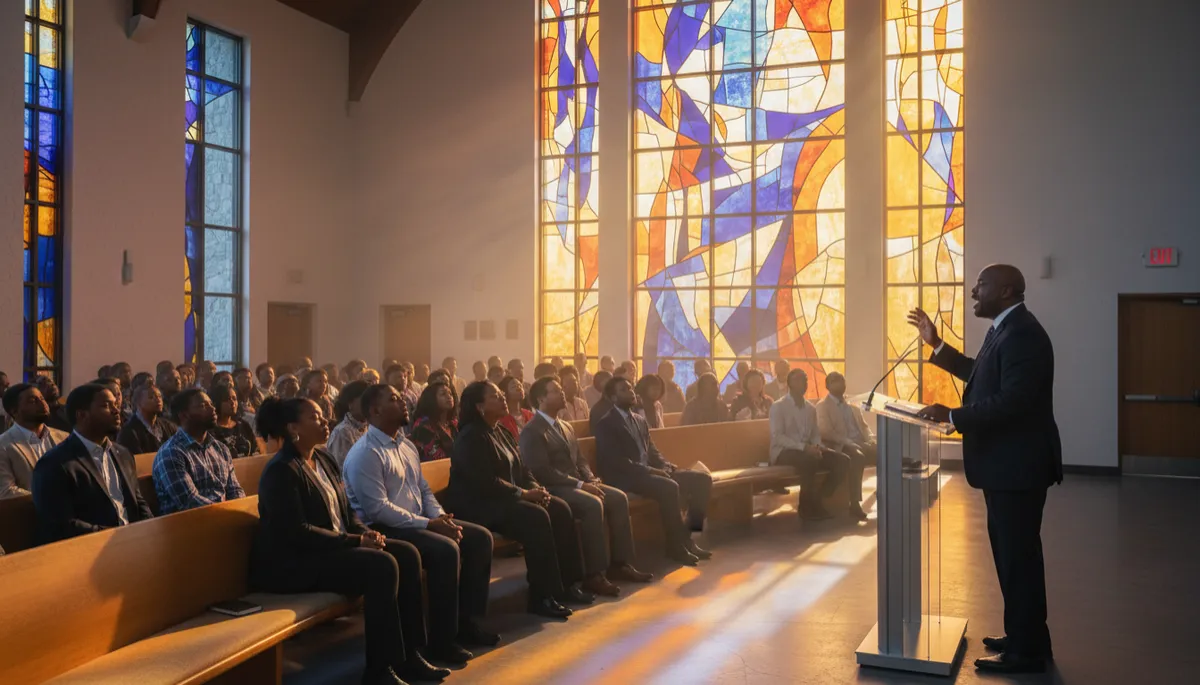
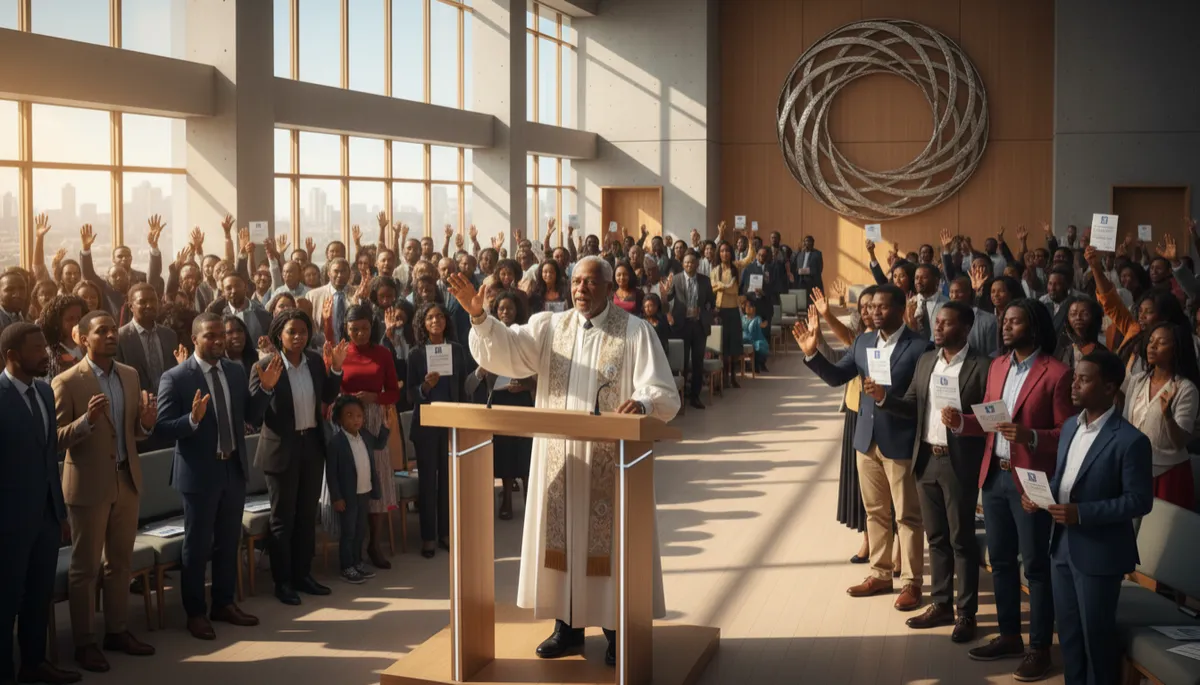
On August 23, the historic Big Bethel AME Church in downtown Atlanta became a pulpit for a new kind of altar call, as Bishop William J. Barber II delivered a major voting rights sermon aimed squarely at Black voters heading into November.
A Historic Sanctuary, a Timely Word
Big Bethel AME, long a cornerstone of Atlanta’s Black spiritual and civic life, has seen generations organize for freedom within its walls. On this August evening, that legacy continued as Bishop Barber, president of Repairers of the Breach and co-chair of the Poor People’s Campaign, lifted his voice for justice, democracy, and the sacred duty of voting.
Drawing from Scripture and the long Black freedom struggle, he reminded the congregation that every right we enjoy today was prayed for, bled for, and organized for by those who refused to give up on America’s promise, even when America had given up on them.
“Wake Up” to What’s at Stake
With November approaching, Bishop Barber’s message to Black Americans—and especially Black Atlanteans—was clear: wake up. Wake up to voter suppression tactics dressed up as “reform.” Wake up to policies that target poor and working-class communities. Wake up to the power of a unified Black electorate in a state that has already proven it can shift the direction of the nation.
He reminded listeners that in Georgia, elections are often decided by razor-thin margins. A few thousand people staying home can change the outcome—and with it, decisions on health care, housing, policing, education, and voting rights themselves. In Barber’s words, staying silent at the ballot box is not a neutral act; it is a surrender of power our ancestors never intended for us to give away.
The Vote as Sacred Stewardship
Bishop Barber framed the vote not as a mere civic chore, but as sacred stewardship. Our ballots, he said, are instruments of love for our neighbors—tools to protect the elderly, the poor, the disabled, and our children yet unborn. To cast a vote is to say, “I will not abandon my people to policies that harm us.”
For Black Atlantans, that call is deeply local. It means checking your registration, making a plan to vote early, offering rides to the polls, and talking with family, church members, and neighbors about what’s on the ballot—from school boards to the White House. It means treating Election Day like Sunday morning: something we do together, on purpose, with reverence.




