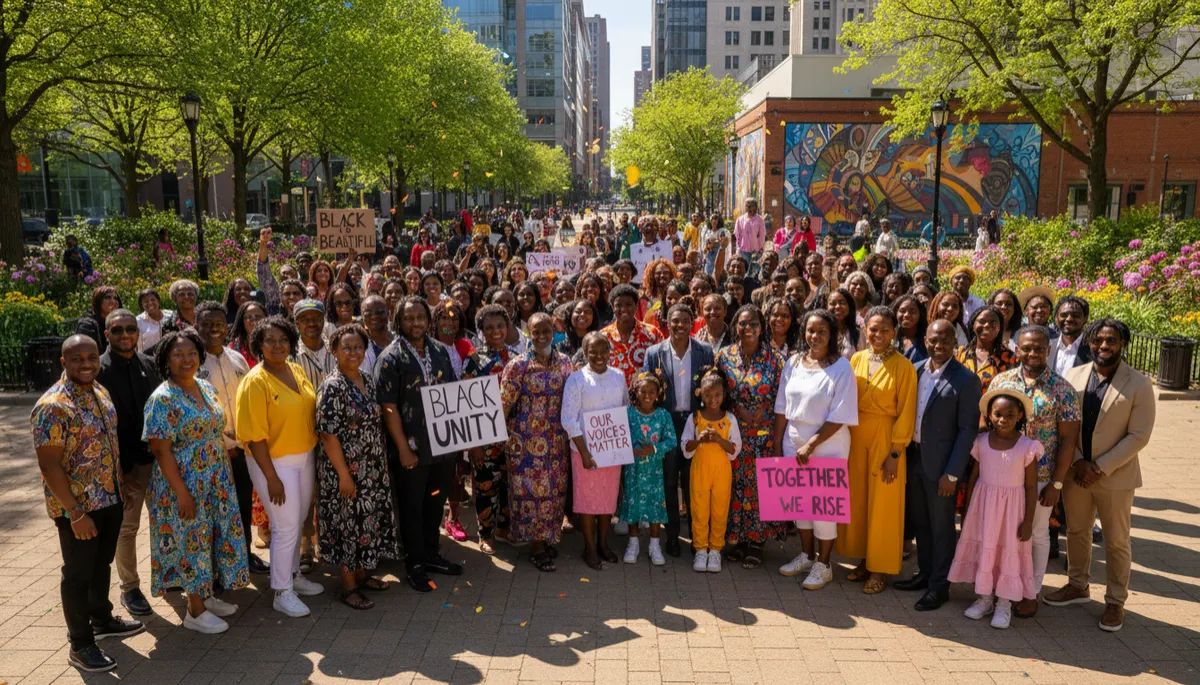
Black August: The History, the Sacrifice, and Why It Still Matters in 2026
The Month That Was Born in Resistance
For many Americans, August is the month of summer vacations, back-to-school shopping, and late-season barbecues. But for the Black liberation movement, August holds a deeper, more sacred significance. Black August is a month of remembrance, resistance, study, and solidarity — born from the unbreakable spirit of Black men and women who refused to accept their captivity, their oppression, and the erasure of their humanity.
In 2026, as Black Americans face a renewed assault on civil rights, voting rights, and economic opportunity, understanding Black August is not just an act of historical education — it is an act of resistance itself.
The Origins: San Quentin, 1971
Black August was born in the California prison system, specifically at San Quentin State Prison, in August 1971. The tradition is rooted in the sacrifice of Black prisoners who organized, studied, and resisted the brutal conditions of American mass incarceration — a system that disproportionately targeted and trapped Black men and women.
The month honors, in particular, the memory of George Jackson — a revolutionary writer, Marxist theorist, and co-founder of the Black Guerrilla Family — who was killed by prison guards at San Quentin on August 21, 1971. Jackson had been incarcerated since age 18 for a $70 robbery and transformed himself into one of the most important Black intellectual and political figures of the 20th century, authoring the landmark works Soledad Brother and Blood in My Eye.
Black August also honors the Soledad Brothers and the seven prisoners killed during the Attica Prison uprising of September 1971, which was directly inspired by the spirit of resistance growing in California's prisons. These are names and stories that mainstream American history has largely tried to erase — which is precisely why we must remember them.
What Black August Means: A Tradition of Discipline
Black August is observed through a set of intentional practices drawn from the prison resistance movement and later expanded by Black community organizations outside prison walls. Traditionally, observers of Black August engage in:
- Fasting — abstaining from certain foods or luxuries as an act of discipline and solidarity with incarcerated Black people
- Study — reading the works of Black freedom fighters, scholars, and thinkers, including George Jackson, Angela Davis, Frantz Fanon, and others
- Physical training — maintaining physical health and discipline as an act of self-determination
- Community service and organizing — using the month to strengthen connections within the Black community and advance collective goals
- Political education — hosting study groups, workshops, and community conversations about Black liberation, history, and strategy
The practices reflect a core belief of the Black liberation movement: that freedom requires discipline, sacrifice, and community. It cannot be given — it must be built.
Why Black August Matters More Than Ever in 2026
The National Urban League's 2026 State of Black America report warns that Black Americans are experiencing one of the most significant setbacks since the Civil Rights Movement. Voting rights are under attack. DEI programs are being dismantled. Black unemployment has surged. Economic inequality is widening. And the prison system continues to disproportionately imprison Black Americans at rates that have not meaningfully changed in decades.
In this context, Black August is not a relic of the past. It is a living, breathing framework for how to respond to oppression with discipline, solidarity, and strategic action. The movement that gave birth to Black August understood what we must remember today: freedom is not given, it is organized for.
Black Atlanta and Black August
Atlanta has always been a city of Black resistance and Black excellence. From the civil rights movement led by Dr. Martin Luther King Jr. to the political organizing that has made Georgia a battleground state, Atlantans understand that freedom requires active, sustained effort. Black August fits naturally into Atlanta's tradition of community mobilization.
This August, community organizations across Atlanta are hosting study groups, political education workshops, and community service events in the spirit of Black August. Check with your local Black community organizations, churches, and activist groups to find events near you — and consider starting your own.
How to Honor Black August in 2026
You do not have to be an activist or an organizer to honor Black August. Here are practical ways anyone can participate:
- Read something powerful — Pick up George Jackson's Soledad Brother, Angela Davis's Are Prisons Obsolete?, or any work by a Black freedom fighter you've been meaning to read.
- Reduce consumption — Even a small fast from social media, alcohol, or junk food is an act of discipline that connects you to the spirit of Black August.
- Have a political conversation — Talk to your family, friends, and neighbors about what is happening in Black America right now. Consciousness is contagious.
- Support incarcerated people — Write a letter, support a reentry organization, or donate to a prison reform advocacy group.
- Register and vote — The ballot is one of the most powerful tools we have. Use it.
Remember the Unnamed and the Unclaimed
Black August was born to honor people whose names were never meant to be remembered — those who were deemed expendable by a system designed to break them. In 2026, as we face new attempts to erase Black history from schools, Black representation from government, and Black voices from the public square, the act of remembering is itself an act of liberation.
Honor Black August. Study. Organize. Resist. And never forget the ones who sacrificed so that we could stand here today.
#BlackAugust #BlackLiberation #BlackHistory #BlackAtlanteans #NeverForget




