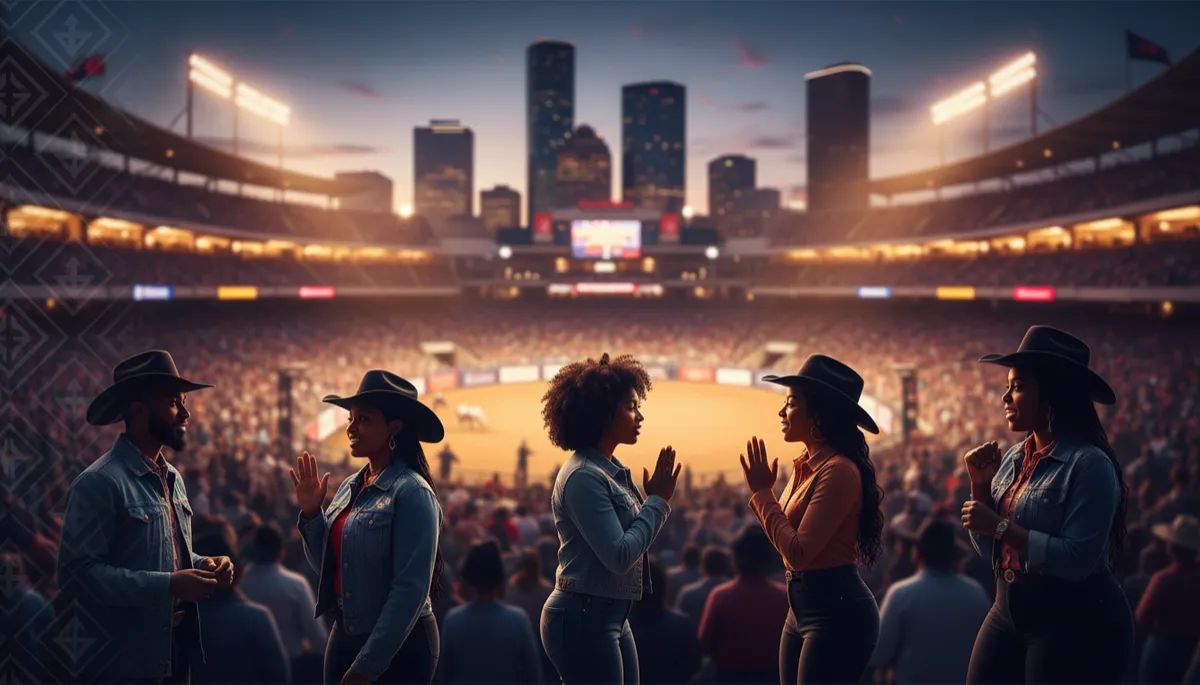
Black Culture and Etiquette at Houston Rodeo
Houston Rodeo, Black Culture, Event Etiquette
Black Culture, the Houston Rodeo, and Why Our Behavior Matters
The Houston Rodeo is one of the biggest stages in Texas, and when we show up as Black people, we’re not just representing ourselves—we’re representing our culture. That’s why the way some of us act there has become a real concern, especially when behavior gets labeled as “ghetto” and overshadows everything positive we bring to the space.
When “Acting Ghetto” Becomes the Headline
Let’s be honest: every large event has people who act out. But when it happens at the Houston Rodeo and it’s Black people yelling across walkways, fighting, throwing trash, blasting loud music in family areas, or cussing loudly around kids, it doesn’t just look bad—it becomes the story. Phones come out, videos hit social media, and suddenly Black Culture is being reduced to the worst clips of our behavior.
The word “ghetto” gets used as a weapon. It’s not just describing behavior; it becomes a label for all of us. People outside our community don’t always separate the individual from the group. One loud argument, one public fight, one chaotic scene in the parking lot, and some folks walk away saying, “That’s how Black people act at the Houston Rodeo.” That’s unfair—but it’s also predictable, and we know it.
The Weight of Representation at the Houston Rodeo
Whether we like it or not, we carry a different kind of spotlight. When we show up to the Houston Rodeo, we bring style, energy, and culture—our fashion, our slang, our music, our joy. But we also carry the weight of stereotypes that have followed Black people for generations. So when a few of us act out with no sense of event etiquette, it gives those stereotypes new life.
This doesn’t mean we have to be quiet, stiff, or fake. It means we have to be aware. Laugh, dance, enjoy the concert, cheer for the riders—do all of that. But when it turns into blocking walkways, screaming over performers, disrespecting staff, or turning every space into a personal after-party, we lose control of the narrative. Instead of people talking about how beautifully Black Culture showed up, they’re talking about how “ghetto” we were.
💡 Personal Check-In: Before you react, ask yourself, “If someone recorded this moment, would I be proud to be seen this way?”
Event Etiquette Is Not Selling Out—It’s Strategy
Some people hear “event etiquette” and think it means acting “less Black.” That’s not the point. Event etiquette is about respect—for yourself, for others, and for the space you’re in. It’s knowing there’s a time and place for everything. The way you turn up at a house party shouldn’t be the same way you act at a family-friendly rodeo with elders and children all around you.
Simple things make a big difference:
Keeping your language in check around kids and elders
Not turning public walkways into hangout spots or arguments zones
Respecting security and staff instead of trying to embarrass them
Dressing in a way that reflects pride, not carelessness
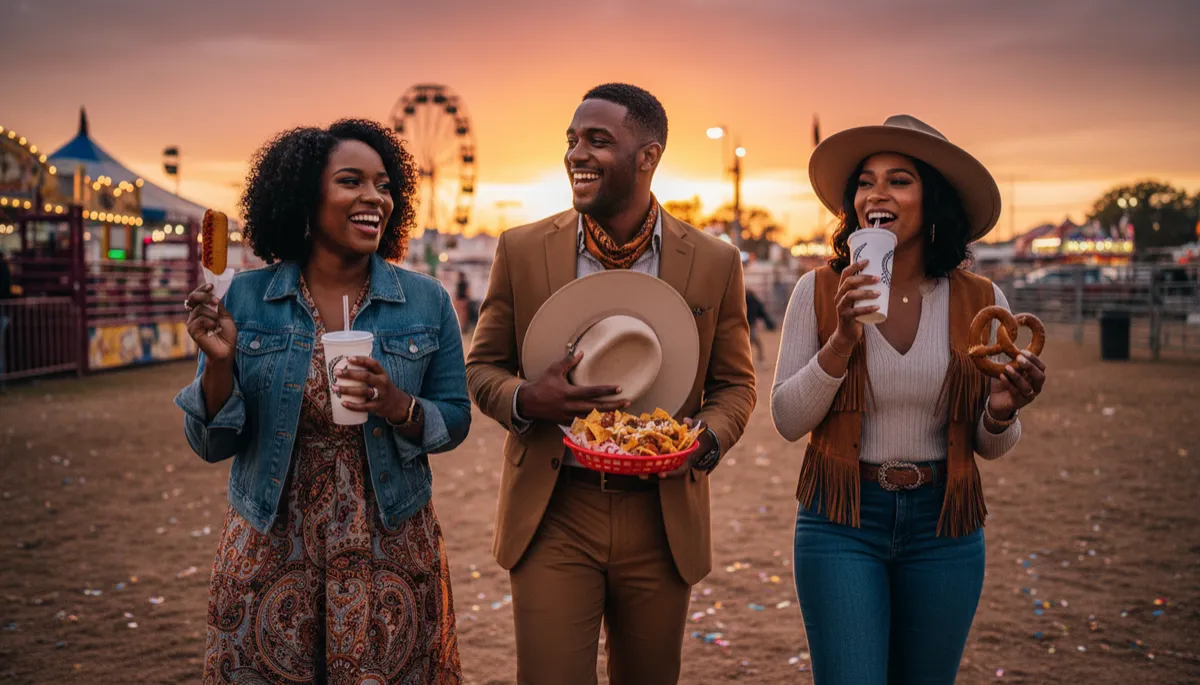
Quiet confidence and respect often speak louder than any stereotype.
Choosing a Different Reflection of Black Culture
The truth is, some of us acting “ghetto” at the Houston Rodeo has made us look bad in the eyes of people who are already waiting for a reason to judge us. We can’t control their biases—but we can control what we give them to work with. Every time we choose composure over chaos, respect over disrespect, and pride over performative drama, we protect the image of Black Culture instead of feeding into the worst assumptions about it.
You don’t have to be perfect, but you do have power. The next time you step into the Houston Rodeo, remember that you’re not just another face in the crowd. You are a reflection—of your family, your community, and your culture. Make sure what people see is something you’re proud to stand behind.
Ready to go deeper? Download Black Atlanteans: 20 Chapters of Knowledge in the bookstore today and continue building the wisdom behind how we show up in every space.




