Impact of DOJ and FBI Resignations on Security
Politics, Law Enforcement, Black Atlanta
When the Watchdogs Walk Out: How a Hollowed-Out DOJ and FBI Endanger Us All
Mass resignations and political purges have ripped through the Department of Justice and the FBI, leaving the so‑called guardians of the law scrambling to refill seats while power quietly rearranges itself in the shadows.
Let’s be clear: this isn’t just office drama in D.C. It’s a deliberate unbuilding of institutions that, at their best, restrain state violence and protect the people—especially Black communities that have always lived under the heaviest boot of “law and order.”
Law Enforcement Accountability on Life Support
Start with the DOJ’s Civil Rights Division. In early 2026, at least six federal prosecutors in Minnesota and four senior civil rights leaders in D.C. walked out rather than be complicit in a shameful move: targeting the widow of Renee Good—killed by an ICE agent—instead of seriously probing the shooting itself (PBS, Investing.com). That exodus wasn’t random; it was a protest against weaponizing justice against grieving Black and brown families instead of abusive officers and agents.
Since President Trump’s second term began, an estimated 5,500 DOJ attorneys and staff have quit, been fired, or bought out (The Daily Beast). The department is now lowering standards, hiring prosecutors straight out of law school, and dangling $25,000 bonuses to plug the holes. The FBI is doing the same—shortening training, waiving tests, and fast‑tracking promotions for loyal insiders over seasoned professionals (LA Times).
When you gut experience and independence, you don’t just weaken accountability—you redefine it. Investigations into police killings, federal abuse, and political corruption become slower, softer, or quietly redirected. For Black Atlanta, that means fewer real civil rights cases, more performative press conferences, and a justice system even more tilted toward the badge and the billionaire.
Justice for the People—or Justice for Power?
Yes, the FBI and DOJ still roll out big operations—crackdowns on child exploitation, surges into unsolved violent crimes in Tribal communities. Those headlines are real, but they’re also convenient cover. While the public sees dramatic raids and emotional rescues, the machinery that should be holding police departments, federal agents, and corrupt politicians accountable is running on fumes.
Justice for the people—especially Black people in the South—isn’t just about catching “bad guys.” It’s about whether a cop who lies, an agent who shoots, or a prosecutor who targets activists instead of abusers can be checked by something bigger than their own clique. When experienced civil rights lawyers resign in protest, when national security prosecutors flee a politicized department, the message is brutal: the system is being re‑engineered to protect power, not people.
Who Wins When the Watchdogs Are Muzzled?
The winners are obvious. Politicians who fear indictment. Police unions that dread real oversight. Billionaires and corporations allergic to federal scrutiny. Extremists inside government who want loyalty, not law, as the standard. They all benefit when the FBI and DOJ are staffed with under‑trained, over‑pressured, politically dependent hires instead of seasoned, principled prosecutors and agents willing to say “no.”
For Black Atlanteans, the stakes are deadly serious. A hollowed‑out federal watchdog means fewer consent decrees on violent police departments, fewer investigations into voter suppression, fewer prosecutions when white supremacists cross the line from talk to terror. It means we are pushed to rely even more on our own organizing, documentation, and community defense, because the official referees are being replaced with fans of the home team.
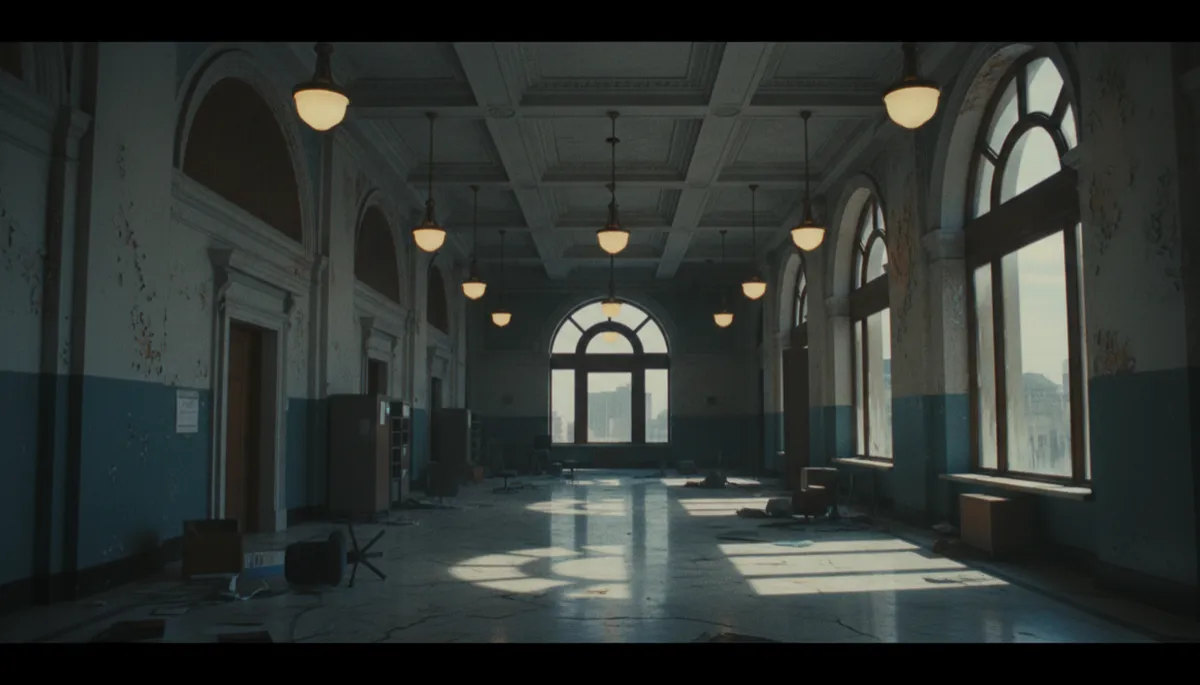
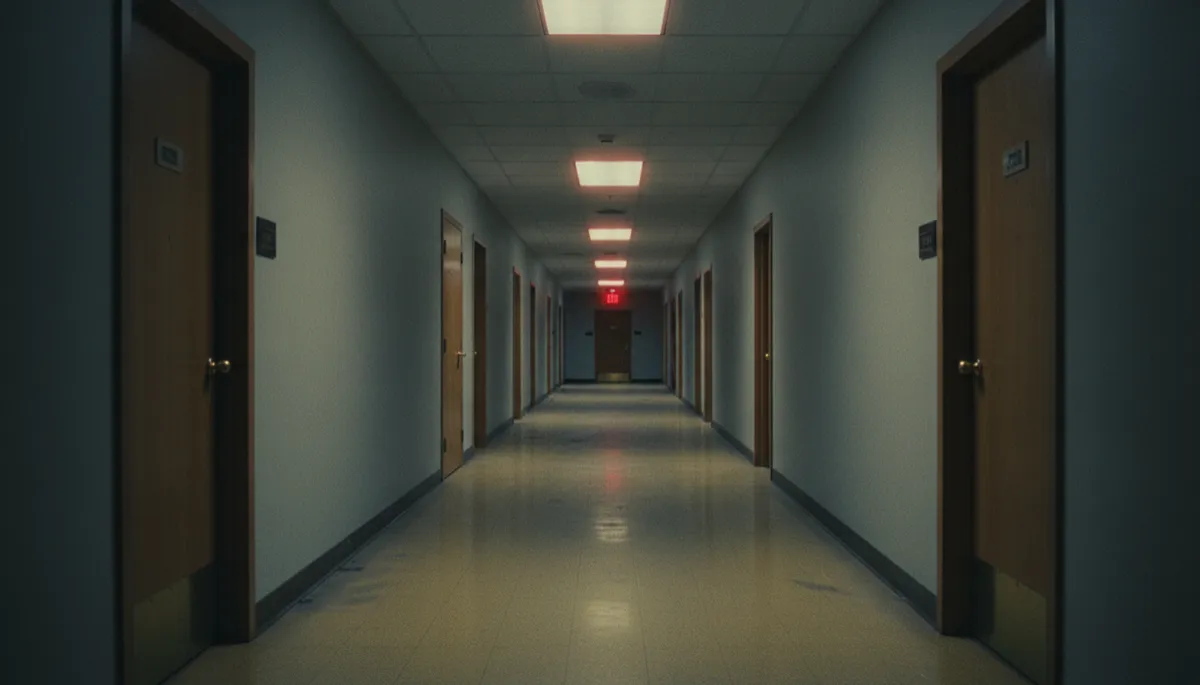
The hallway is empty, but don’t be fooled—that silence is not peace. It’s the sound of power rearranging itself, betting we won’t notice. Our task in Atlanta and beyond is to notice, to name it, and to build the kind of community power that can hold any government accountable—whether the watchdogs are awake, wounded, or willingly asleep.




