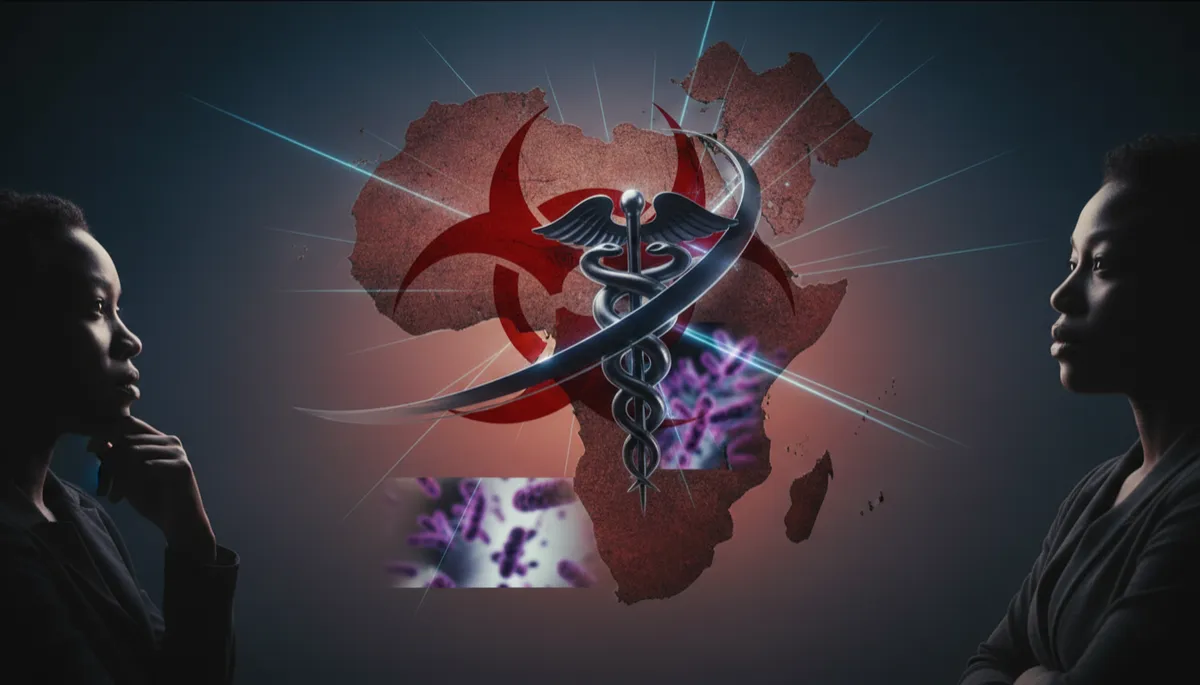
WHO Declares Ebola Emergency: 130-Plus Dead in DRC and Uganda
Health, Africa, Ebola, Diaspora
WHO Declares Ebola Emergency in DRC and Uganda: What the Diaspora Needs to Know
The World Health Organization has declared the latest Ebola outbreak in Central and East Africa a global health emergency, after more than 130 deaths in the Democratic Republic of Congo and Uganda. It is not a pandemic, but it is serious—and it directly concerns Black communities worldwide, whether on the continent or in the diaspora.
A Deadly Pattern: Ebola’s History on the Continent
Ebola is not new to Africa, or to the global Black community watching from afar. The virus was first identified in 1976 in what is now the Democratic Republic of Congo, near the Ebola River. Since then, outbreaks have repeatedly hit Central and West Africa, often in rural, under-resourced areas where health systems are already strained.
The 2014–2016 West Africa crisis in Guinea, Liberia, and Sierra Leone killed more than 11,000 people and exposed a familiar reality: when deadly disease hits Black countries, the world is slow to react, quick to stigmatize, and inconsistent in support. Today’s outbreak—DRC’s 17th Ebola event—continues that history, with communities paying the price for global neglect, conflict, and weak health infrastructure.
What Exactly Did the WHO Declare?
On Sunday, May 18, 2026, the World Health Organization declared the Ebola outbreak in DRC and Uganda a Public Health Emergency of International Concern—a PHEIC. That is the highest alarm WHO can sound under international health rules, used for crises like COVID-19 and Zika. It signals that the situation is serious, fast-moving, and requires coordinated global action, funding, and surveillance.
Importantly, WHO also stressed this is not a pandemic. The Bundibugyo strain driving this outbreak is dangerous, but transmission is still localized, mainly in Ituri Province in eastern DRC, with a small number of imported cases in Kampala, Uganda. The declaration is about urgency and preparedness, not widespread global infection—at least not yet.
Why This Matters for Black Americans and the Diaspora
For Black Americans and the wider African diaspora, this outbreak hits on multiple levels. Many have family in DRC, Uganda, or neighboring countries. Travel plans, remittances, and daily WhatsApp calls now carry an undercurrent of fear. Governments are already tightening travel rules and screening passengers from the region. That can mean disrupted trips, delayed family visits, and added scrutiny at borders for people with African passports or heritage.
There is also the issue of stigma. In past Ebola crises, African communities abroad were treated as walking biohazards—kids bullied in schools, workers sidelined, entire neighborhoods painted as unsafe. We should expect some of that rhetoric to surface again. Diaspora communities must be ready to push back with facts, not fear, and demand that public health measures focus on science, not xenophobia.
The Health Risks—and the Reality
Ebola spreads through direct contact with the bodily fluids of an infected person or corpse, or contaminated materials. It is not airborne like COVID-19. For people in the United States, Europe, or the Caribbean, the overall risk remains low. Most cases are in DRC’s Ituri Province, with limited cross-border spread into Uganda. Strong surveillance and isolation can keep it that way—if governments act quickly and consistently.
The Bundibugyo strain is especially worrying because there is no licensed vaccine or specific treatment for it yet. Care focuses on isolating patients, preventing transmission, and providing supportive treatment to help the body survive the virus. That makes early detection, honest communication, and community trust non-negotiable.
What You Should Do Now
If you have family in DRC or Uganda, check in often. Encourage them to follow local public health guidance, avoid contact with sick individuals and funerals that involve washing or touching bodies, and seek care early if symptoms appear. Support trusted local and international organizations providing protective gear, treatment, and community education—money sent to the right places can save lives.
For those in the U.S. and across the diaspora, stay informed through WHO, CDC, and reputable African news outlets—not rumors on social media. Expect increased screening if you travel from or through affected countries. Push your elected officials to fund global health responses that prioritize African lives, not just Western borders. And when sensational headlines try to turn this outbreak into another excuse to fear Black bodies, remember: the real story is about underfunded health systems, delayed action, and communities fighting to protect themselves with limited tools.
Ebola in DRC and Uganda is a warning, not a distant problem. The question for the diaspora is simple: will we watch in silence, or insist that Black lives in Bunia and Kampala matter as much as Black lives in Brooklyn and Brixton?