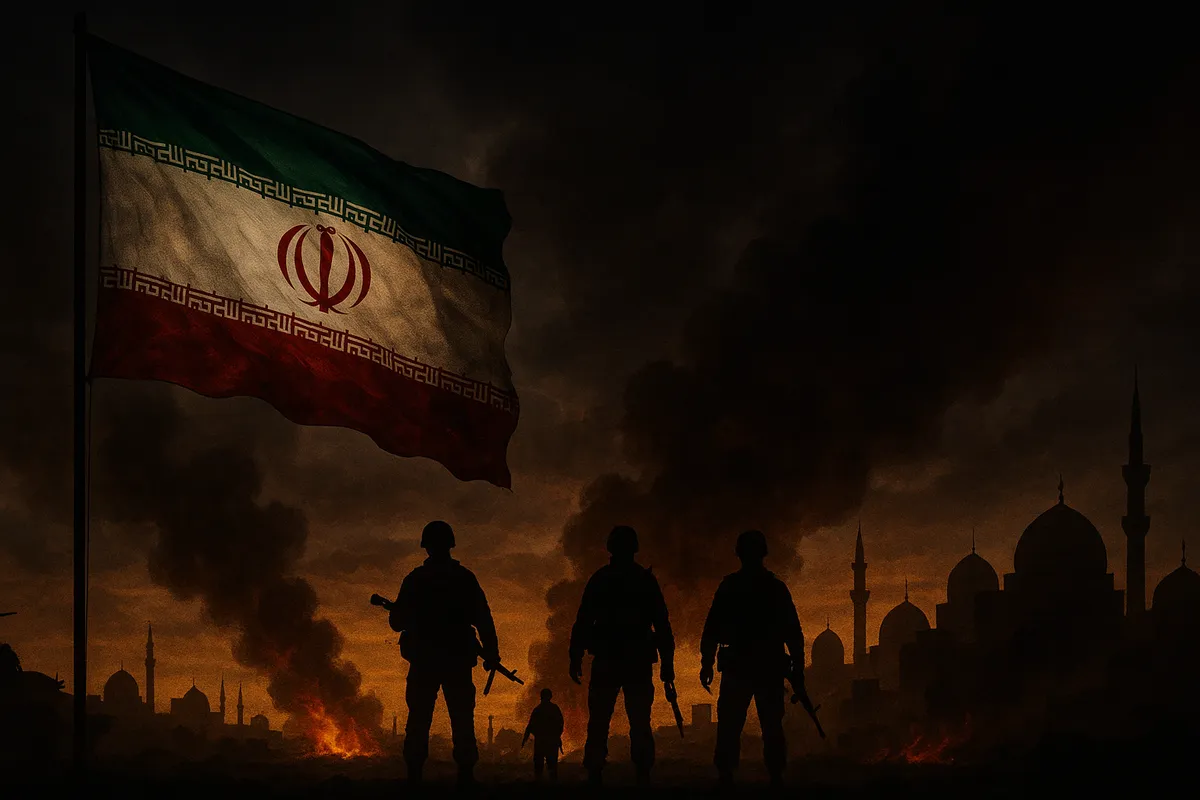
Iran Vows Revenge After Israeli Strikes Kill Basij Commander Gholamreza Soleimani
Tehran Says Political System Remains Strong
March 20, 2026 — In a dramatic escalation of the ongoing conflict now entering its 19th day, Israeli strikes have killed two of Iran's most prominent security and military figures: Security Chief Ali Larijani and Gholamreza Soleimani, commander of Iran's powerful Basij paramilitary forces. The targeted assassinations have sent shockwaves across the region and beyond.
Who Was Gholamreza Soleimani?
Gholamreza Soleimani served as the head of the Basij Organization — a branch of Iran's Islamic Revolutionary Guard Corps (IRGC). The Basij is a volunteer paramilitary force of hundreds of thousands, considered a key pillar of the Iranian regime's internal security and ideological backbone. His death marks one of the most significant military losses for Iran since the conflict began.
Iran's Defiant Response
Despite the devastating losses, Iran's Foreign Minister Abbas Araghchi moved quickly to project strength and resilience. Speaking publicly in the wake of the strikes, Araghchi declared that Tehran's political system remains strong and fully functional, dismissing suggestions that the killings could destabilize the Iranian government.
Iran has formally pledged "revenge" for the deaths of its officials, and military analysts are closely watching for what form that retaliation may take. Iran has already launched missiles and drone attacks against Israeli targets, causing extensive property damage, and has expanded its strikes to neighboring Gulf countries, with attacks reported in Saudi Arabia, Kuwait, and Jordan.
Regional Spillover and Global Impact
The conflict is increasingly spilling across the region. The Strait of Hormuz — through which approximately 20% of the world's oil supply passes — has been severely impacted, triggering a global energy crisis. U.S. gas prices have surged by 29% since the war began, with the national average reaching $3.84 per gallon and rising rapidly.
The United Nations has issued a stark warning: 45 million people around the world are now at risk of acute hunger due to rising food prices fueled by the conflict.
Israeli PM's Assessment
Israeli Prime Minister Benjamin Netanyahu claimed that after nearly three weeks of intensive military operations, Iran is no longer capable of enriching uranium or manufacturing ballistic missiles — a statement that Israel says marks a significant strategic achievement. Israel also said it is cooperating with the United States to reopen the critical Strait of Hormuz to global shipping.
Markets Respond
Global financial markets reacted with high volatility to the developments. Oil prices initially surged before easing somewhat on news of efforts to reopen the Strait of Hormuz. The S&P 500, which had dropped as much as 1%, managed to recover as traders assessed the shifting battlefield dynamics.
What Comes Next?
With Iran vowing revenge and key military and security figures eliminated, the coming days are expected to bring further escalation. Intelligence officials and regional analysts warn that Iran's allied groups — including Hezbollah and Houthi forces — may intensify proxy attacks across the broader Middle East as Iran's direct military capabilities are tested.
The world watches closely as this rapidly evolving conflict threatens to reshape the geopolitical landscape of the Middle East and strain global economic stability for months to come.
This blog post is based on reporting from multiple international news sources as of March 20, 2026. Situations in active conflict zones evolve rapidly — readers are encouraged to follow trusted news outlets for the latest developments.




