NABJ 2026 Comes Home to Atlanta: Thousands of Black Journalists Unite in the Black Mecca
Atlanta Answers the Call of Black Excellence in Journalism
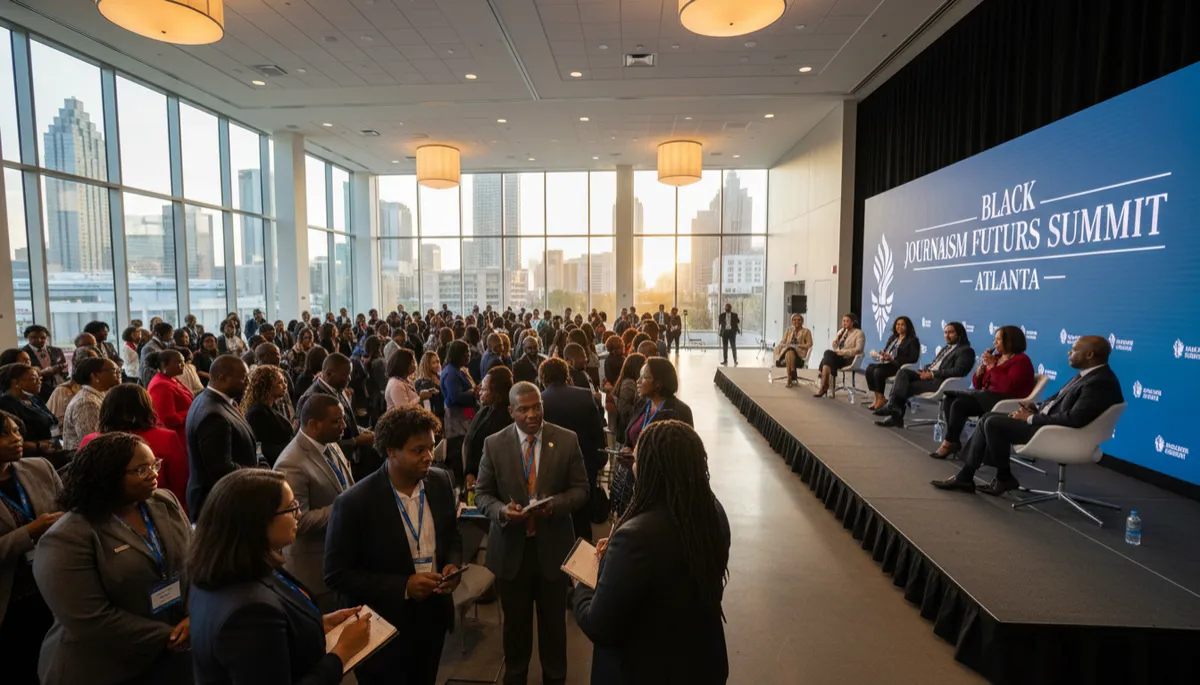
In August 2026, Atlanta lived up to its reputation as the Black Mecca — welcoming thousands of Black journalists, editors, broadcasters, digital creators, and media executives for the annual convention of the National Association of Black Journalists. The streets of Atlanta buzzed with energy as some of the most influential voices in American media descended on the city for what is often described as a family reunion, a career fair, and a therapy session all in one.
NABJ's return to Atlanta was not just a logistical gathering — it was a homecoming. Atlanta has deep, historic ties to Black journalism, and the city's community of Black media professionals has long been a pillar of the NABJ family.
Why NABJ Matters More Than Ever in 2026
The National Association of Black Journalists was founded in 1975 in Washington, D.C., at a time when Black journalists were systematically excluded from mainstream newsrooms, editorial decisions, and professional networks. In the decades since, NABJ has grown into the largest organization for journalists of color in the world — a testament to the resilience and excellence of Black storytellers.
But in 2026, the stakes for Black journalism are higher than they have been in years. The media landscape is undergoing seismic change. Newsroom layoffs have disproportionately affected journalists of color. Anti-DEI policies are eliminating the pipeline programs that helped Black journalists enter and advance in the industry. AI-driven content generation is disrupting traditional journalism careers. And misinformation continues to spread at unprecedented rates, making trusted Black news voices more essential than ever.
Against this backdrop, the 2026 NABJ convention arrived at exactly the right moment — providing community, accountability, and strategic vision for Black journalists navigating one of the most challenging media environments in recent history.
Atlanta: The Perfect Stage
For Black journalists who work in markets where they are often the only person of color in their newsroom, Atlanta offers something rare and restorative: the experience of being in the majority.
"That's comforting for a lot of Black journalists," said one convention attendee, describing what it meant to walk the streets of Atlanta surrounded by colleagues who share both their professional passion and their lived experience. For many, the NABJ annual convention is the one week of the year when they feel fully seen — professionally and personally.
Atlanta's practical advantages for the convention were also notable. As one attendee remarked: "Atlanta is not as inexpensive as it was 20 years ago, but it is still more affordable than attending a convention in places like Boston, New York, Chicago, Miami, Philadelphia, Washington, D.C., Dallas, Los Angeles, and San Francisco." Accessibility matters when your community includes journalists across every economic tier of the profession.
The Issues on the Table
This year's NABJ convention featured a robust agenda of panels, workshops, and strategic sessions addressing the most pressing issues in Black media:
AI and the Future of Journalism: Attendees engaged in frank discussions about how artificial intelligence is being woven into news operations, the risks of AI-driven bias and job displacement, and best practices for newsrooms navigating the technology responsibly.
Black-Owned Media Sustainability: A panel titled "Black-owned Media: Surviving the Long Game" brought together publishers, broadcasters, and digital media entrepreneurs to discuss strategies for economic sustainability in a difficult political and media environment.
Covering Higher Education: With HBCU funding under threat despite executive orders promising support, journalists discussed strategies for holding policymakers accountable for the gap between rhetoric and reality.
Independent Journalism: The rise of independent Black journalism — newsletters, podcasts, social media, Substack — was a major theme, with sessions on monetization, audience-building, and maintaining editorial independence.
NABJ Political Journalist Task Force: With the November 2026 midterms approaching, the task force convened to discuss voter education, election coverage standards, and the role of Black journalists in protecting democratic participation.
The NABJ Awards: Celebrating Excellence, Confronting Controversy
No NABJ convention is complete without its awards — and 2026 was no exception. The convention also did not shy away from accountability: the National Association of Black Journalists awarded ESPN's Stephen A. Smith a "Thumbs Down" for what the organization characterized as disparaging rhetoric about and treatment of Black women. Smith vowed to fight back against the designation, setting the stage for an ongoing conversation about media responsibility within the Black community itself.
These moments of internal accountability are a sign of organizational maturity. NABJ does not just advocate for Black journalists in relation to outside institutions — it holds its own community's most visible voices to the same standards it demands of the broader media industry.
What NABJ's Presence in Atlanta Means for Black Atlanteans
The convergence of thousands of Black media professionals in Atlanta is more than a convention — it is an investment. Black journalists spend money at local Black-owned restaurants, hotels, and businesses. They build relationships with Atlanta-based media outlets, PR firms, and community organizations. They tell Atlanta's stories to national and global audiences.
And they leave Atlanta inspired — carrying back to their newsrooms and markets the energy, solidarity, and strategic clarity that the Black Mecca uniquely provides.
For Black Atlanteans who want to engage with this powerful community, following NABJ member journalists on social media, supporting Black-owned media outlets, and amplifying the stories that Black journalists risk their careers to tell are the most direct ways to be part of the movement.
Black journalism is not just a profession. It is a lifeline for communities that have been consistently misrepresented, underrepresented, and ignored by mainstream media. NABJ 2026 in Atlanta was a powerful reminder of what it looks like when Black excellence in storytelling gathers in one place — and refuses to be silenced.




