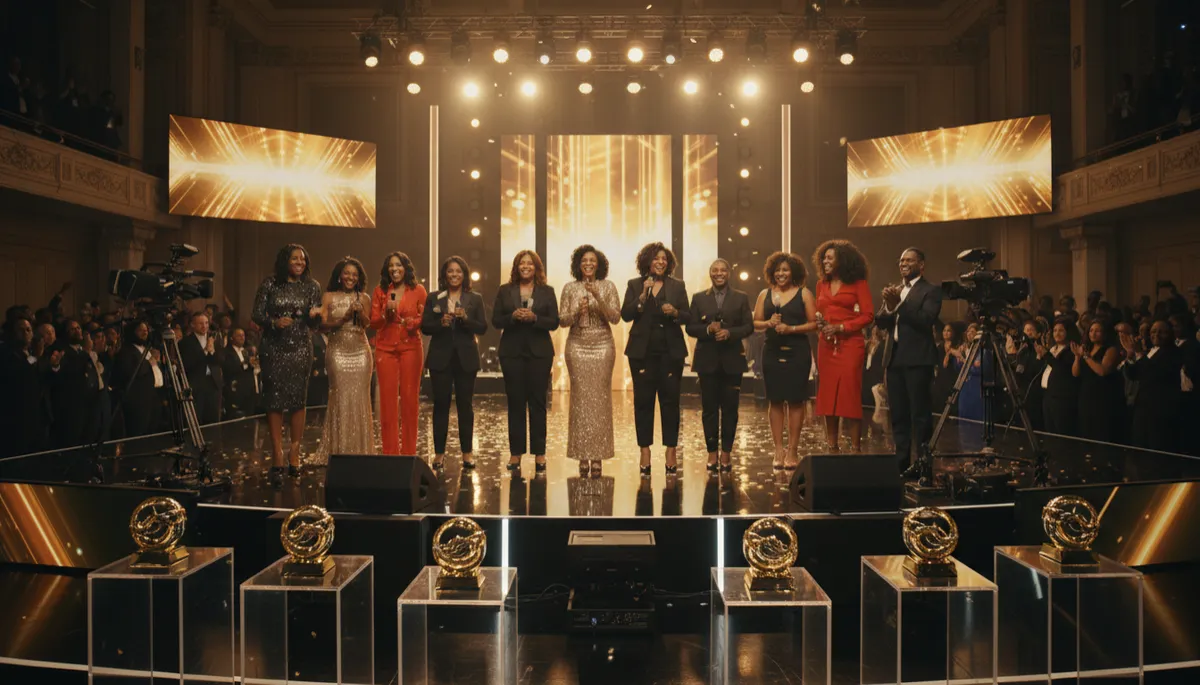
NABJ Gives Stephen A. Smith 'Thumbs Down' for Disparaging Black Women — And He's Fighting Back
NABJ Takes a Stand at Its 2026 Atlanta Convention
At its 2026 annual convention in Atlanta, the National Association of Black Journalists (NABJ) made headlines far beyond the newsroom when it awarded its formal "Thumbs Down" designation to prominent ESPN personality Stephen A. Smith, citing his harmful rhetoric about and treatment of Black women. Smith, one of the most powerful voices in American sports media, responded publicly by vowing to fight back against the designation — igniting a firestorm of debate that has swept across social media, newsrooms, and Black communities nationwide.
The 'Thumbs Down' Designation: What It Represents
The NABJ's "Thumbs Down" is not given casually. It represents the organization's considered, formal rebuke of media figures whose words or actions have caused documented harm to Black communities — and in particular, to Black women, who have historically been among the most targeted and least protected groups in American media and public life.
The designation reflects the collective judgment of Black journalists that Smith's comments crossed a line from edgy commentary into something more corrosive: the sustained, public diminishment of Black women on one of the highest-rated sports media platforms in the country. In an era when Black women are already navigating extraordinary pressures in professional, political, and personal life, that diminishment carries real cost.
Why This Moment Matters
Stephen A. Smith has built an extraordinary media empire as the undisputed face of ESPN's "First Take" and one of the highest-paid personalities in the history of sports television. With that platform comes enormous influence — and by extension, enormous responsibility. The NABJ's action is a signal from Black journalists and media professionals that they are watching how that influence is deployed, particularly when it comes to the representation and treatment of Black women.
The conversation sparked by the award cuts far deeper than any one media personality. It touches on questions that matter profoundly to the Black community: How do Black public figures use their platforms? What does accountability look like within our own spaces? And how do we honor Black women — the backbone of so many movements, communities, and institutions — with the dignity they deserve?
Community Voices: A Divided Response
The response across Black communities has been far from monolithic — and that complexity is itself part of the conversation. Many Black women and their allies have praised NABJ for using its prestigious convention platform to hold Smith publicly accountable in a meaningful way. The designation felt, to many, like an overdue acknowledgment of a pattern rather than a single incident.
Others have defended Smith as a media pioneer who, despite controversy, has opened significant doors for Black media professionals and who has consistently elevated the visibility of Black athletes, coaches, and stories. His supporters argue that the "Thumbs Down" designation oversimplifies a complex figure and risks alienating a prominent Black voice at a moment when Black representation in mainstream media remains critically underserved.
Both responses are worth hearing. The richness of that debate is precisely what makes this moment valuable.
Smith's Response
True to his combative on-air persona, Stephen A. Smith did not accept the designation quietly. He vowed publicly to challenge what he characterized as an unfair characterization of both his record and his personal relationship with Black women throughout his career. His pushback has only amplified the conversation further, drawing voices from across the sports, entertainment, civil rights, and feminist communities into a debate that shows no signs of fading.
The Bigger Picture: Black Women and Media in 2026
The NABJ-Smith controversy arrives at a moment when Black women's voices, experiences, and dignity are under intense scrutiny and debate across American public life. The WNBA — described by one observer as "the most visible women's sports league, built by Black women" — has become a focal point for national conversations about respect, equity, and the systemic forces that continue to undervalue Black women's extraordinary contributions to sports, culture, and society.
For Black Atlanteans watching this moment unfold from the city that hosted the NABJ convention, one truth stands clear: accountability is not the enemy of appreciation. Holding powerful people to high standards — especially those who built their careers on Black culture, Black communities, and Black storytelling — is not an act of betrayal. It is an act of love.
The conversation that NABJ's "Thumbs Down" has ignited is not comfortable. But the most important conversations rarely are. And if there's one thing Black journalists know how to do, it is to ask the hard questions — even when the subject is one of their own.




