Trump-Era Policies Fueling Wildfire Crisis
Wildfire Policy, Climate, Public Safety
The Trump-Era War on Controlled Burns Is Fueling America’s Next Inferno
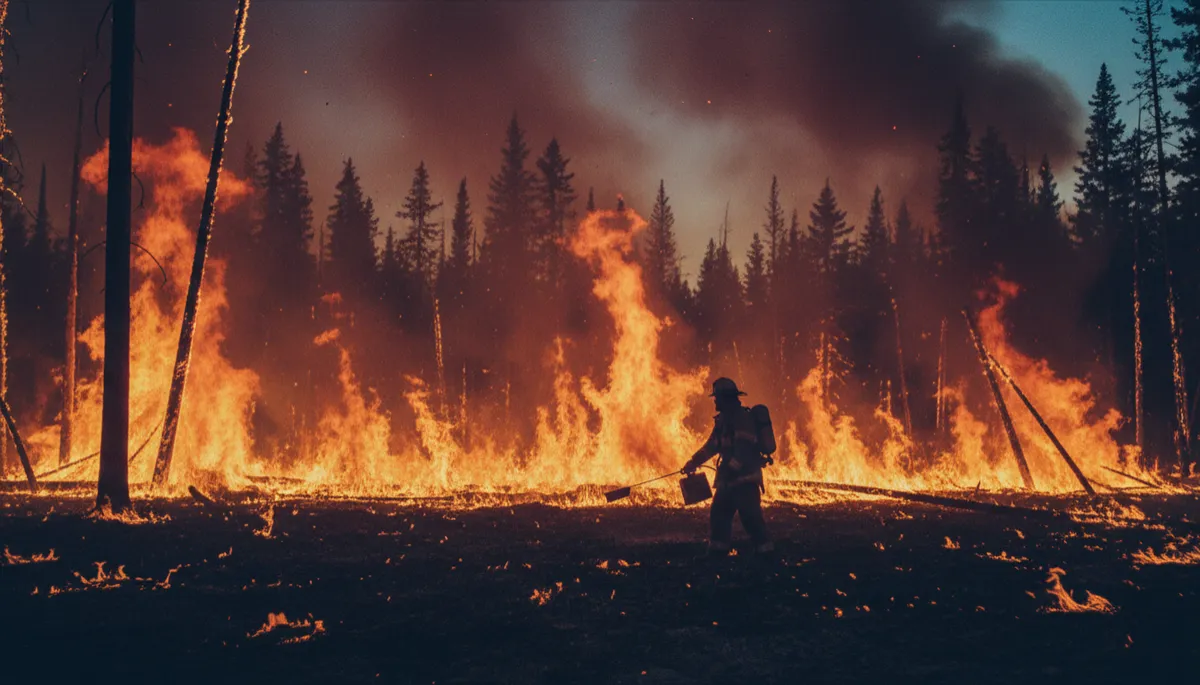
Firefighters are sounding the alarm, but Washington already lit the fuse. During the Trump administration, federal agencies slowed, blocked, and second‑guessed the very tool firefighters trust most to prevent catastrophic wildfires: prescribed, preventative burns. While the West bakes and forests turn to tinder, ideology and industry interests have been allowed to override science and common sense.
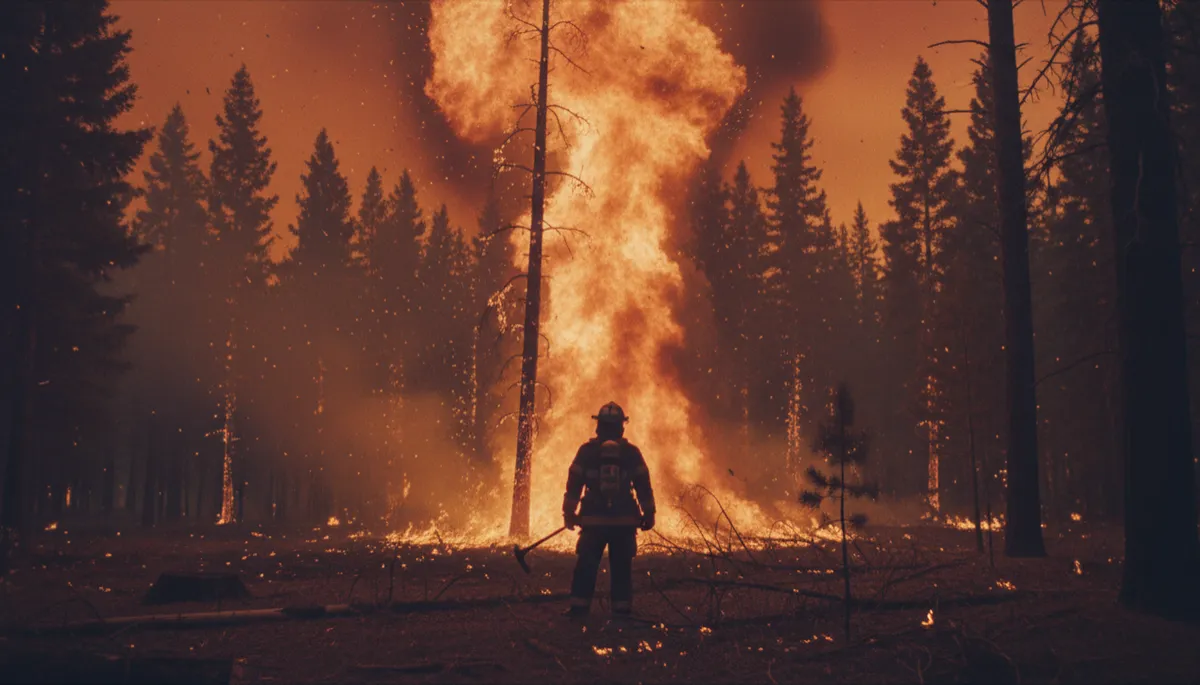
Blocking Preventative Burns Is Playing Chicken With a Firestorm
Controlled burns are not experimental. They are a proven, frontline defense that Indigenous communities have used for centuries and modern fire science has repeatedly validated. When agencies deliberately burn under carefully chosen weather conditions, they clear out dead brush and small trees that would otherwise become rocket fuel when lightning strikes or power lines fail. Firefighters call this “good fire” because it prevents the bad kind from turning into megafires that swallow entire regions.
Yet under Trump, federal leadership leaned hard into a different narrative: blame “poor forest management,” demand more logging, and quietly suffocate prescribed fire programs with red tape, political pressure, and mixed messages. While some burns continued, national totals sagged and critical windows were wasted. NPR reporting shows U.S. controlled burning fell to around 900,000 acres in 2025, down from more than 1.6 million acres in 2023 and 2024, even as this decade’s fire seasons grow longer and more vicious.
Who Pays the Price for Political Fire Games?
The victims are not the politicians who gutted prevention; they are the people forced to breathe the consequences. Rural towns ringed by overgrown federal land, tribal communities whose cultural burning practices were sidelined, and working‑class families in the wildland–urban interface are all left in the crosshairs. When wind‑driven flames roar through those overloaded forests, it is their homes, schools, and hospitals that burn.
Firefighters and smokejumpers pay too. They are sent into hotter, more dangerous fires because the fuel that should have been burned under controlled conditions is waiting for them in lethal amounts. Meanwhile, smoke from these monster fires chokes cities hundreds of miles away, driving asthma spikes and public‑health crises that federal briefings now warn could cost hundreds of billions of dollars annually. This isn’t abstract; it’s kids kept indoors for weeks and elders landing in ERs because someone in Washington decided “good fire” was politically inconvenient.
The Real Agenda: Profit, Optics, and Climate Denial
Let’s be blunt: this wasn’t about safety. Fire experts overwhelmingly support prescribed burns. The Trump administration’s hostility lined up neatly with three priorities: appeasing the timber industry, dodging climate responsibility, and clinging to a tough‑guy myth of “raking forests” instead of confronting hard science. Logging‑centric “solutions” create revenue streams; preventative burns don’t make donors rich.
By stalling and sidelining controlled burns, Trump‑era policy helped preserve a dangerous illusion: that we can clear‑cut our way out of climate‑driven fire. We can’t. The 2026 season is already running far above average, with more than 1.8 million acres burned by May. Every blocked prescribed burn is an IOU written to the future in ash and smoke. If we refuse to use the safest fire now, we will be forced to face the deadliest fire later—and it will not negotiate.




