Trump Halts Iran Strike: Gulf Royals Step In, Negotiations Resume
Politics, U.S. Foreign Policy, Black America
Trump Pauses New Strike on Iran as Gulf Royals Step In — What It Means for Black America
A near-miss U.S. strike on Iran, pressure from Gulf monarchies, and a shaky nuclear negotiating track reveal how close Washington is to another war in the Middle East — and why Black Americans cannot afford to watch from the sidelines.
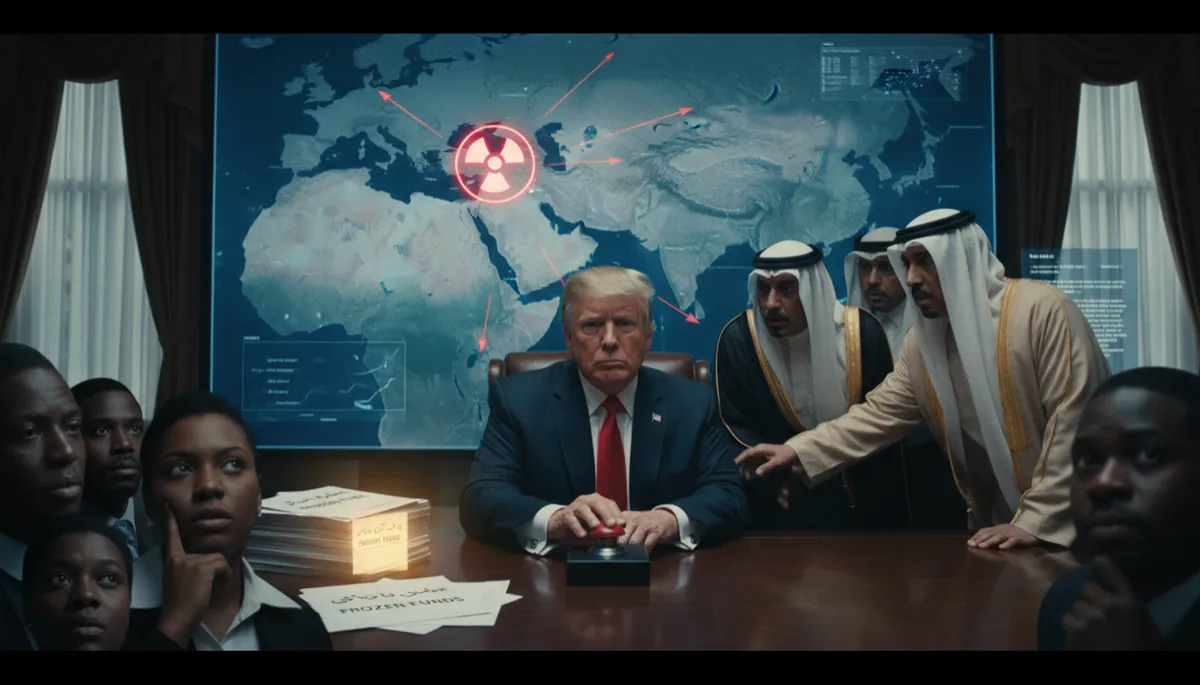
President Donald Trump says he signed off on a fresh wave of U.S. attacks against Iran — then pulled back at the last moment. According to his own account and Gulf diplomatic sources, the pause came after the leaders of Qatar, Saudi Arabia, and the United Arab Emirates urged him to hold fire and give negotiations one more chance. In other words, Arab royals, not the U.S. Congress or American public opinion, were the ones who convinced Washington to step away from the edge.
The backdrop is a fragile ceasefire and a stalled attempt to turn battlefield pressure into a nuclear and regional deal. Iran has put forward an updated proposal — part of a broader 14-point plan delivered through intermediaries — promising an end to the war, sanctions relief, and a delayed timetable for nuclear talks. U.S. officials, speaking to outlets like Al Jazeera and Iran International, have dismissed Tehran’s latest move as “not a meaningful improvement,” signaling Washington wants deeper concessions without offering much more in return (aljazeera.com; iranintl.com).
Iran tells a different story. A senior Iranian official claims the U.S. is already softening its stance, agreeing in principle to release roughly a quarter of Iran’s frozen funds on a phased schedule. That matches reporting that Washington is prepared to unfreeze about 25 percent of Tehran’s assets while keeping the rest as leverage for future nuclear concessions (iranintl.com). From Tehran’s perspective, that money is proof that pressure works both ways: missiles and drones on one side, sanctions and airstrikes on the other, all converted into bargaining chips over billions of dollars and enriched uranium stockpiles.
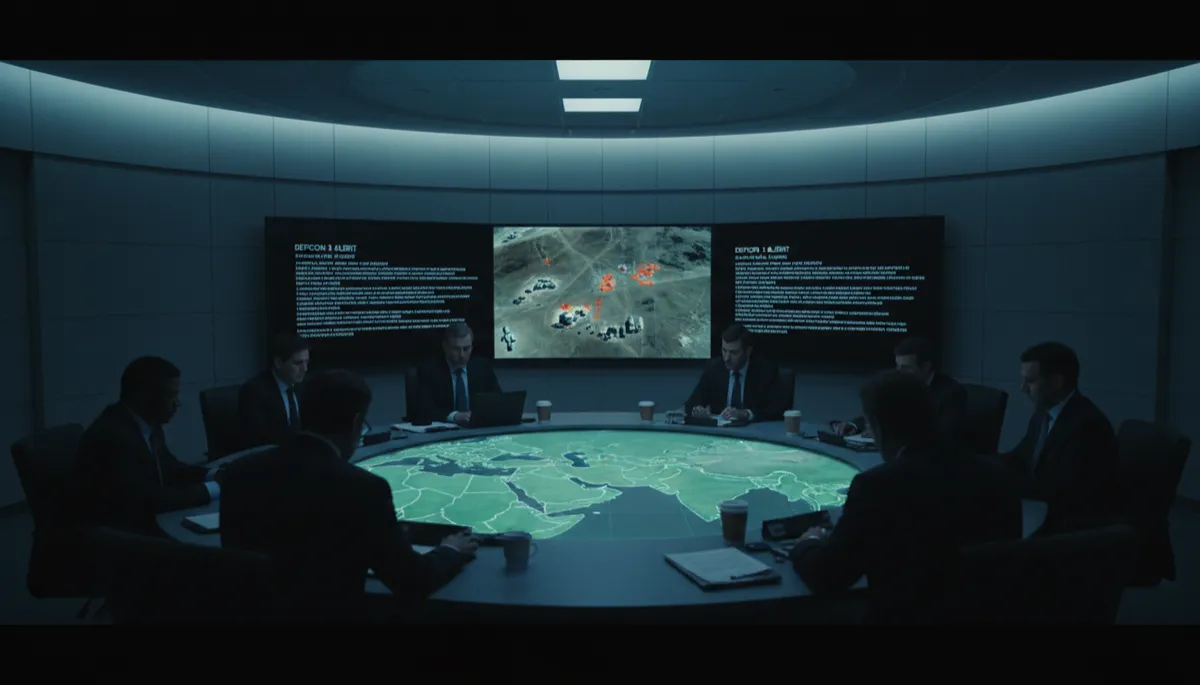
Trump, for his part, is making sure the world knows the military option is not off the table, only on pause. He was expected to convene his top national security team — Pentagon brass, intelligence chiefs, and senior advisers — to review updated strike packages and escalation scenarios. This comes after U.S. airstrikes earlier in May hit Iranian targets, and after Trump publicly warned that “bigger” attacks remain on standby if Iran does not bend (axios.com; defensenews.com). The message is clear: diplomacy is happening under the shadow of bombers already fueled and loaded.
Why Black America Should Be Paying Close Attention
For Black Americans, this isn’t just another distant foreign policy drama. War decisions made in rooms we don’t control have a direct, measurable impact on communities that are already under-resourced and over-policed. Historically, Black service members have been overrepresented in the enlisted ranks of the U.S. military. When Washington flirts with another Middle East war, it is disproportionately our cousins, neighbors, and classmates who end up on those deployments — and sometimes, in those coffins.
There’s also the economic angle. Trillions spent on Iraq and Afghanistan never came back to rebuild Baltimore, Jackson, or the South Side of Chicago. A new confrontation with Iran would mean more Pentagon budgets, more defense contracts, and fewer dollars available for housing, health care, and schools in Black neighborhoods. Every missile launched overseas is money not invested in closing the racial wealth gap at home. That is not rhetoric; it is the hard arithmetic of federal priorities and appropriations.
Polling has long shown that Black Americans are more skeptical of military interventions and more supportive of diplomacy than white voters (pewresearch.org). Yet in this crisis, the loudest voices pushing restraint are foreign monarchs, not Black lawmakers or civil rights leaders. That silence is dangerous. If Gulf allies can move a U.S. president away from the brink, Black communities should be asking why our own elected representatives are not applying the same pressure in public, on the record, and at scale.
The Bigger Picture: Power, Precedent, and Responsibility
The Iran episode exposes how U.S. power is actually used: threats of overwhelming force, selective sanctions relief, and back-channel bargaining shaped by regional elites. Nuclear issues are being postponed, not solved. Enriched uranium remains in limbo, and both sides admit deep distrust. That is a recipe for a rolling crisis, not a stable peace — which means the risk of sudden escalation will hang over the next election, the next recession, and the next domestic uprising for justice.
For Black Americans, the takeaway is blunt: every time Washington edges toward war, we have to show up as if our own block is on the line — because it is. The same state that overfunds foreign adventures and underfunds Black life at home does not magically change character when it crosses an ocean. Watching U.S.–Iran brinkmanship is not enough. The demand has to be clear: no new wars, real diplomacy, and budgets that prioritize Black survival over bombs.




