Historic UN Resolution Declares Transatlantic Slave Trade the Gravest Crime Against Humanity and Calls for Reparations
A Historic Vote at the United Nations
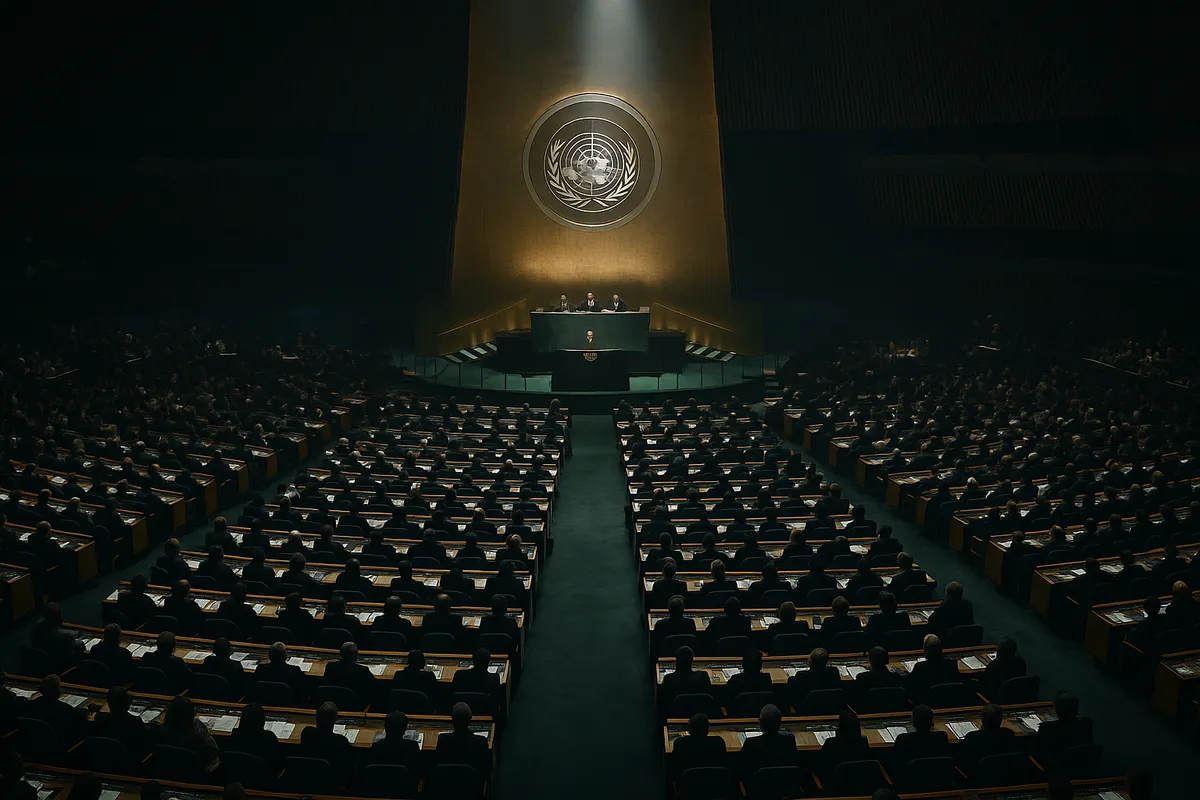
In a landmark moment for international justice, the United Nations General Assembly has adopted a resolution formally declaring the transatlantic trafficking of enslaved Africans "the gravest crime against humanity" and calling upon the international community to pursue reparations. The vote marks one of the most significant steps the world body has ever taken in acknowledging the legacy of the slave trade.
What the Resolution Says
The resolution recognizes the profound and lasting harm caused by the transatlantic slave trade — not only to the millions of Africans who were enslaved, but to their descendants and to the nations and communities shaped by that brutal history. It calls on member states to take concrete steps toward reparative justice, including financial reparations, formal apologies, and educational initiatives to ensure future generations understand the full scope of this history.
Centuries in the Making
The transatlantic slave trade, which forcibly transported an estimated 12 to 15 million Africans to the Americas and the Caribbean between the 15th and 19th centuries, has had generational consequences that persist to this day in the form of systemic inequality, poverty, and racial injustice. For decades, advocates have pushed for formal international recognition of these harms — and for accountability from the nations that profited from enslaved labor.
Reactions Around the World
The resolution has been met with widespread praise from African nations, Caribbean countries, and human rights organizations, who see it as a long-overdue acknowledgment of historical injustice. Some Western nations, however, have expressed reservations about the scope and implementation of reparations, raising questions about the practical path forward.
What Reparations Could Look Like
The resolution does not prescribe a specific form for reparations, leaving that question to be worked out through further negotiations and national legislation. Proposals have ranged from direct financial payments to descendants of enslaved people, to investment in education and economic development in affected communities, to the creation of truth and reconciliation commissions.
Why This Matters
This resolution is more than a symbolic gesture — it is a formal acknowledgment by the international community that the transatlantic slave trade was a crime of the highest order, and that its effects demand a substantive response. For millions of people of African descent around the world, it represents a step toward recognition, dignity, and justice.
What are your thoughts on the UN reparations resolution? Join the conversation below.




