Voting Rights in 2026: Black Americans Face a New Front in the Fight for the Ballot
Voting Rights in 2026: Black Americans Face a New Front in the Fight for the Ballot
The right to vote has never been freely given to Black Americans. It has been fought for, marched for, and bled for across generations. And in 2026, that fight is more urgent — and more legally complex — than it has been in decades. A convergence of Supreme Court decisions, executive actions, and state-level legislative maneuvers has placed Black voting power under sustained assault, even as civil rights organizations mount a fierce and organized counteroffensive.
The Supreme Court's Assault on Voting Protections
The most consequential legal blow came earlier this year in Louisiana v. Callais, when the Supreme Court's conservative majority eliminated the Voting Rights Act's core protections against lawmakers drawing electoral maps that dilute the political power of minority voters. Legal analysts describe the decision as the continuation of more than a decade of assaults on what is often called the crown jewel of the civil rights movement.
The Court's reasoning relied on cherry-picked data — pointing to 2008 and 2012 presidential elections when Black voter turnout matched white turnout as evidence that racial disparities in voting are no longer a problem. Critics have been swift to note the obvious flaw: those were the two elections in which Barack Obama ran for president, making them historic outliers rather than indicators of systemic equality. The racial turnout gap has since widened again — precisely the outcome that strong Voting Rights Act protections were designed to prevent.
Southern Redistricting and the Midterm Stakes
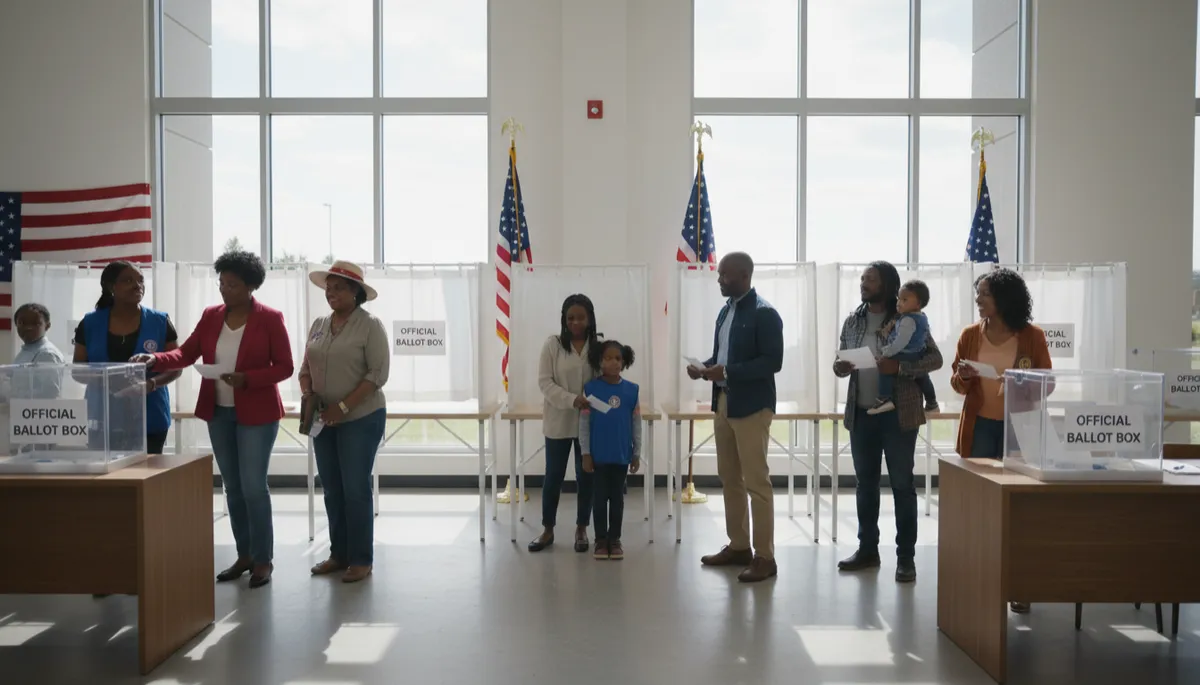
Even amid these legal setbacks, Black voter turnout is rising amid Southern redistricting efforts — a testament to the community's determination to make its voice heard. Civil rights groups across the country have responded with intensified voter registration drives, Black church organizing, and mass mobilization campaigns ahead of the November 2026 midterms.
The 2026 midterms carry enormous stakes for Black communities. Thin Republican majorities in both the House and Senate could shift if Democrats regain the House — a shift that would position House Minority Leader Hakeem Jeffries to potentially become the first Black Speaker of the House, a historic milestone that would reshape the legislative agenda for years to come.
Courts Push Back: A Federal Win in Virginia
Not all legal developments have cut against Black voters. In a significant ruling this week, a federal judge in Virginia held that restoring Confederate names to public schools violated the rights of Black students — affirming that racial dignity and equal protection under the law remain enforceable legal standards even in the current judicial environment. Civil rights organizations that recently prevailed in the U.S. Supreme Court have also filed new lawsuits challenging executive orders that allegedly violate established civil rights protections.
Voter Suppression in the Digital Age
Beyond the courts, the fight for Black voting rights now extends to digital access and telecommunications. Tracking data found 4.4 billion unwanted robocalls in July alone — the highest monthly total in over a year — with telemarketing scams and fake pre-approved loan offers disproportionately targeting vulnerable communities. The use of technology to suppress, confuse, and misdirect voters represents a dangerous new dimension of an old problem that demands vigilance and community education.
Know Your Rights. Show Up. Vote.
For Black Atlanteans and Black Americans everywhere, the message from legal advocates and civil rights organizations is consistent and urgent: register to vote, help others register, know your rights under Georgia law, and show up on November 3, 2026. The Congressional Black Caucus Foundation's Voting Rights Scorecard provides updated information on voting laws in 15 key states, helping Black communities stay informed and prepared.
The ballot is power. Protecting that power is not just a civic duty — it is an act of resistance, community, and love for the generations who paid with their lives to earn it.




